In the world of water treatment, polyacrylamide (PAM) is an essential polymer flocculant. But the critical choice for any plant operator comes down to one question: Anionic vs Cationic?
Choosing the wrong one is ineffective and costly. While both are types of polyacrylamide, their performance in solutions for wastewater treatment is completely different. This guide explains the key differences in the cationic vs anionic polymer debate, helping you select the right product for your specific application.

The primary difference between APAM and CPAM is their electrical charges.
Every flocculant works by attracting suspended particles (like an atom or molecule) in the water. The charge of your PAM must be the opposite of the charge of the particles you need to remove.
● Anionic Polyacrylamide (APAM): These are anionic polymers, meaning they carry a Negative (–) charge.
● Cationic Polyacrylamide (CPAM): These are positively charged cationic polymers, meaning they carry a Positive (+) charge.
Why does this matter? Different types of wastewater have different charges.
● Organic Waste (like sewage treatment or food processing sludge) is typically Negatively (–) charged.
● Inorganic Waste (like mining tailings, sand, or clay) is often Positively (+) charged, or it is neutralized by a primary coagulant (like PAC) first.
The "anionic vs. cationic" choice is decided entirely by your application.
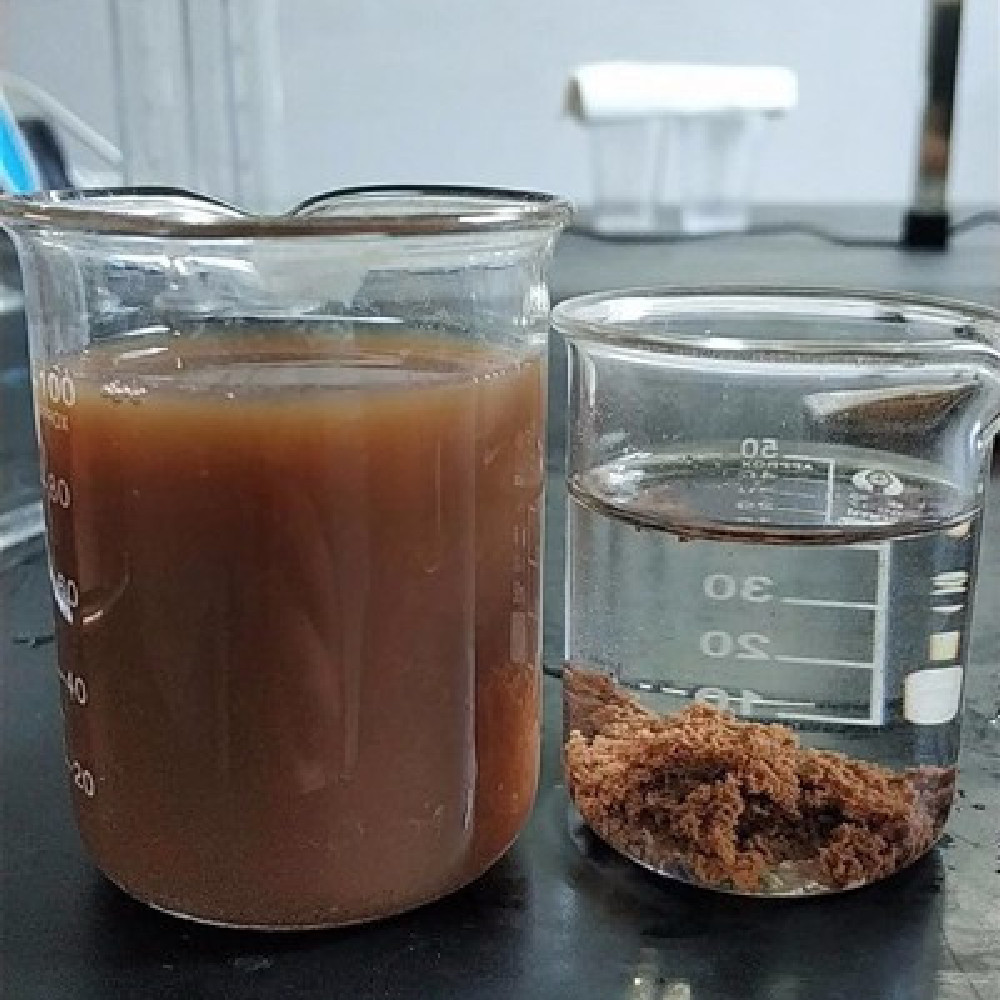
● Keywords: municipal wastewater treatment, sewage treatment, industrial wastewater (organic)
● The Challenge: Municipal sludge is full of organic matter (bacteria, food waste, biosolids) which is highly negatively charged.
● The Winner: Cationic Polyacrylamide (CPAM)
● Why: The positively charged cationic polymer is the perfect tool. It acts like a magnet, binding directly to the negatively charged organic sludge particles. This neutralizes their charge and uses its long polymer chain to "bridge" them together, forming large, heavy flocs that are easy to dewater.
● Keywords: industrial effluent treatment, industrial wastewater
● The Challenge: This is a mixed category. The right polymer depends on the type of industrial waste.
● The Winner: It Depends.
● CPAM (Cationic) is used for organic-based industrial effluent, such as from pulp & paper mills, food processing plants, and textile (printing and dyeing) industries.
● APAM (Anionic) is used for inorganic-based industrial effluent, especially in mining (coal washings, mineral processing) where the waste is primarily clay and minerals.
● Keywords: oil & gas industry, enhanced oil recovery (EOR), enhancing oil recovery, oil extraction
● The Challenge: The oil & gas industry has two very different needs: 1) enhancing oil recovery from the reservoir, and 2) treating the wastewater produced during oil extraction.
● The Winner (EOR): Anionic Polyacrylamide (APAM)
● Why: For enhanced oil recovery (polymer flooding), the goal is not flocculation. Instead, anionic polyacrylamide is pumped into the reservoir to increase the viscosity (thickness) of the water, which sweeps more oil out of the rock and improves oil extraction efficiency.
● The Winner (Sludge/Water Treatment): Cationic Polyacrylamide (CPAM)
● Why: The wastewater and sludge produced from drilling (produced water, drilling muds) are full of emulsified oils and organics. A CPAM is used here in the traditional way—to flocculate and dewater this organic sludge.
| Feature | Anionic Polyacrylamide (APAM) | Cationic Polyacrylamide (CPAM) |
| Electrical Charge | Negative (–) | Positive (+) |
| Primary Mechanism | Binds to positive charges (or neutral particles via bridging). | Binds to negative charges (organic sludge, oils). |
| Key Applications | • Enhanced Oil Recovery (EOR) • Mining & Mineral Processing • Inorganic Sludge • Paper Manufacturing (retention) | • Municipal Wastewater (Sewage Treatment) • Oily Sludge Dewatering • Food & Beverage Effluent • Textile & Dyeing Wastewater |
| Cost | Generally more affordable. | More expensive due to complex manufacturing. |
● Treating organic sludge (sewage, food waste)? → Use Cationic PAM (CPAM).
● Treating inorganic sludge (mining, sand)? → Use Anionic PAM (APAM).
● Need to increase water viscosity for EOR? → Use Anionic PAM (APAM).
● Treating oily wastewater from drilling? → Use Cationic PAM (CPAM).
At TAIRAN CHEMICAL, we specialize in high-quality solutions for wastewater treatment.Our deep expertise in the cationic vs anionic polymer field ensures you get the right product for your job, improving efficiency and reducing operational costs.
● High Purity: Our products are made to the highest quality standards.
● Wide Range of Applications: We offer solutions for municipal wastewater treatment, industrial effluent treatment, the oil & gas industry, and more.
● Cost-Effective: We provide products that help reduce chemical consumption and operational costs.
● Fast Shipping: Global shipping options ensure timely delivery to your facility.
In summary, both anionic polyacrylamide and cationic polyacrylamide are powerful tools. The right choice depends entirely on the electrical charges in your system. By understanding whether your waste is organic (negative) or inorganic (positive), you can confidently select the best polymer.
Whether you're treating sewage treatment sludge or enhancing oil recovery, we at TAIRAN CHEMICAL are here to provide the highest quality polyacrylamide products.
Contact Us Today!
Looking for high-quality Anionic Polyacrylamide or Cationic Polyacrylamide? Contact us today for expert advice, bulk orders, and fast delivery.