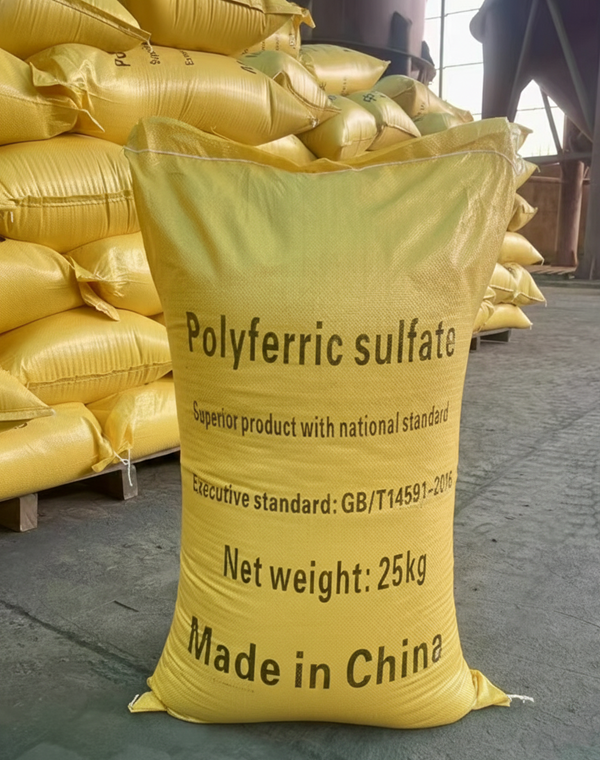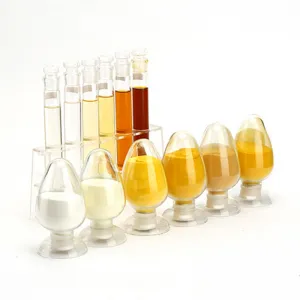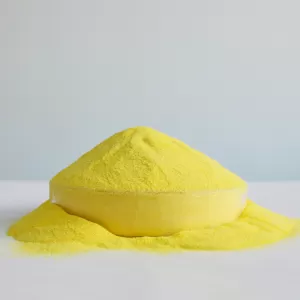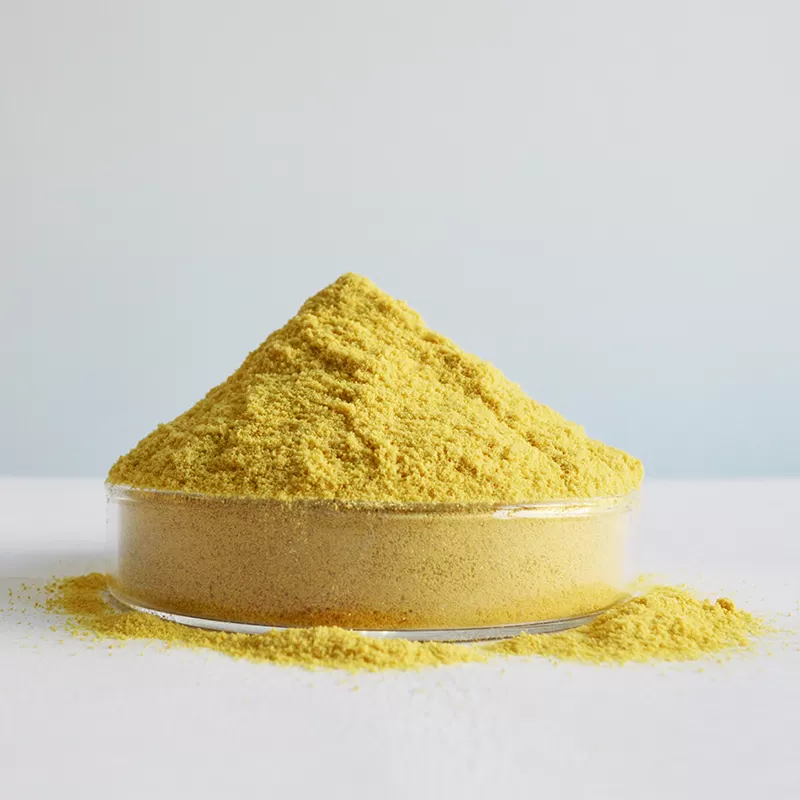
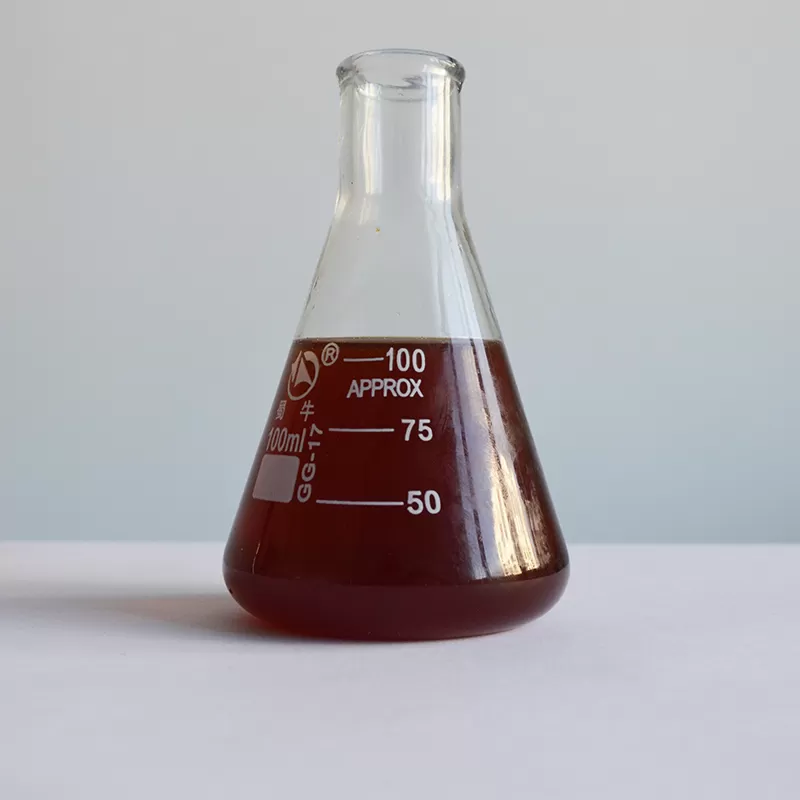
Polyferric Sulfate is an efficient inorganic polymer flocculant widely used in water treatment, particularly in municipal water supply, industrial wastewater, and paper-making or textile dyeing wastewater treatment. With its excellent coagulation performance, fast sedimentation rate, and superior water purification effect, it is an essential material for modern water treatment processes.
Description
Polyferric Sulfate (PFS) is a new-generation, high-performance inorganic polymer flocculant with the chemical formula [Fe2(OH)n(SO4)3-n/2]m (where n<2, m=f(n)). Developed as an advanced alternative to traditional iron and aluminum salts, PFS offers superior flocculation performance, excellent purification results, and broad application versatility. It is widely used in drinking water treatment, municipal wastewater treatment, and various industrial wastewater applications.
Superior Flocculation Performance Contains polynuclear hydroxy complex ions with high molecular weight and strong adsorption capacity. Creates rapid flocculation with large, dense flocs that settle quickly. Purification efficiency is 2-3 times higher than traditional aluminum sulfate and ferric chloride.
Wide pH Application Range Effective flocculation across pH 4-11, with optimal performance at pH 6-9. Minimal impact on treated water pH and alkalinity, with low corrosivity to water treatment equipment.
Low Dosage & Cost-Effective Dosage can be reduced by 30-60% compared to traditional flocculants, especially effective in high-turbidity water treatment. Produces 20-30% less sludge than conventional iron and aluminum salts, reducing sludge disposal costs significantly.
Environmentally Safe Free from aluminum, chromium, and other harmful substances. Contains no chlorine ions or hazardous components. Safe for human health with no secondary pollution to water bodies. Fully compliant with national drinking water standards.
Excellent Phosphorus Removal Achieves over 90% phosphorus removal efficiency, making it ideal for wastewater treatment plants requiring phosphorus reduction and eutrophic water body remediation.
Enhanced Water Quality Produces high-quality treated water with no aluminum residue. Does not increase water salinity. Maintains water clarity and stability.
Broad Temperature Adaptability Maintains effective performance in low-temperature conditions (as low as 5°C), where traditional flocculants often fail. Suitable for year-round operation in various climates.
Solid Grade
Indicator name | Solid index |
Company standard | |
Mass fraction of total iron /% ≥ | 20.5 |
Mass fraction of reducing substances (in terms of Fe2+) / % | 0.03 |
Basicity /% | 12.0-16.0 |
PH(10g aqueous solution) | 2.0-2.5 |
Mass fraction of insoluble matter /% ≤ | 0.4 |
Mass fraction of arsenic (As) /% ≤ | 0.001 |
Mass fraction of lead (Pb) /% ≤ | 0.002 |
Mass fraction of cadmium (Cd) /% ≤ | 0.0005 |
Mass fraction of mercury (Hg) /% ≤ | 0.0001 |
Mass fraction of chromium (Cr) /% ≤ | 0.005 |
Mass fraction of zinc (Zn) /% ≤ | 0.01 |
Mass fraction of nickel (Ni) /% ≤ | 0.01 |
| Note: When this first-class product is used for drinking water treatment, it should comply with the "Sanitary Safety Evaluation Standards for Chemical Treatment Agents for Drinking Water" and relevant laws and regulations. | |
Liquid Grade (GB 14591-2006)
Indicator name | Solid index |
Company standard | |
Mass fraction of total iron /% ≥ | 1135 |
Mass fraction of reducing substances (in terms of Fe2+) / % | 0.03 |
Basicity /% | 11.0-15.0 |
PH(10g aqueous solution) | 2.4-2.6 |
Mass fraction of insoluble matter /% ≤ | 0.01 |
Mass fraction of arsenic (As) /% ≤ | 0.0001 |
Mass fraction of lead (Pb) /% ≤ | 0.001 |
Mass fraction of cadmium (Cd) /% ≤ | 0.0001 |
Mass fraction of mercury (Hg) /% ≤ | 0.0001 |
Mass fraction of chromium (Cr) /% ≤ | 0.0001 |
Mass fraction of zinc (Zn) /% ≤ | 0.002 |
Mass fraction of nickel (Ni) /% ≤ | 0.001 |
| Note: When this first-class product is used for drinking water treatment, it should comply with the "Sanitary Safety Evaluation Standards for Chemical Treatment Agents for Drinking Water" and relevant laws and regulations. | |
● Removal of turbidity, color, and bacteria
● Elimination of aluminum residue concerns
● Meeting stringent drinking water standards
● Low-temperature water purification
● High phosphorus removal efficiency
● Enhanced COD and BOD reduction
● Improved sludge dewatering properties
● Odor control in treatment plants
Textile & Dyeing Industry
● Superior color removal (decolorization rate 85-95%)
● COD reduction 60-80%
● Effective treatment of reactive dyes and acid dyes
Electroplating & Metal Processing
● Heavy metal precipitation (Cu, Ni, Zn, Cr)
● Removal efficiency >95%
● Sludge reduction and easier handling
Paper & Pulp Industry
● COD removal rate 5-15% higher than traditional products
● Enhanced fiber recovery
● Reduced paper mill effluent color
Food & Beverage Processing
● Safe for food-grade water treatment
● Effective oil and grease removal
● Organic matter reduction
Petroleum & Chemical Industry
● Oily wastewater treatment
● Suspended solids removal
● Pre-treatment for biological systems
Pharmaceutical Industry
● High organic load wastewater
● Antibiotic production effluent
● Meets strict discharge standards
Drinking Water Treatment: 1-5 g/ton of waterMunicipal Wastewater: 5-15 g/ton of waterIndustrial Wastewater: 10-50 g/ton of water (depending on water quality)High-Turbidity Water: 20-100 g/ton of water
Note: Optimal dosage should be determined through jar tests based on specific water quality conditions.
Liquid PFS:Can be dosed directly or diluted with water at 2-20% concentration before application. Dilution improves dispersion and dosing accuracy.
Solid PFS:Dissolve in water at 5-10% concentration. Allow 30 minutes for complete dissolution with gentle stirring. Solution remains stable for 24-48 hours.
Dosing Method:
● Add to raw water with rapid mixing (1-3 minutes, 200-300 rpm)
● Follow with slow mixing (10-20 minutes, 40-70 rpm) for floc formation
● Allow adequate settling time (20-30 minutes minimum)
● pH adjustment rarely needed but optimal range is 6-9
Liquid PFS:
● Store in corrosion-resistant containers (PE, PP, or FRP)
● Shelf life: 6 months under proper conditions
● Protect from freezing (add antifreeze in winter if needed)
● Avoid exposure to sunlight and high temperatures
Solid PFS:
● Store in dry, ventilated warehouses
● Keep in moisture-proof packaging
● Shelf life: 12 months when properly stored
● Avoid contact with reducing agents
Safety Precautions:
● Avoid direct contact with eyes and skin
● Use protective equipment during handling
● In case of contact, rinse immediately with plenty of water
● Store away from food and feed products
Parameter | Polyferric Sulfate | Aluminum Sulfate | Ferric Chloride | PAC |
Dosage Requirement | Low | High | Medium | Medium |
Flocculation Speed | Fast | Slow | Fast | Medium |
Floc Size | Large & Dense | Small | Medium | Medium |
pH Range | 4-11 | 6.5-8.5 | 5-11 | 5-9 |
Aluminum Residue | None | High | None | Medium |
Sludge Production | Low | High | Medium | Medium |
Low-Temp Performance | Excellent | Poor | Good | Good |
Phosphorus Removal | Excellent | Poor | Good | Fair |
Cost Efficiency | High | Low | Medium | Medium |
Liquid PFS:
● 30 kg plastic drums
● 250 kg plastic drums
● 1,250 kg IBC tanks
● Bulk tanker delivery available
Solid PFS:
● 25 kg woven bags with PE liner
● 500 kg jumbo bags
● 1,000 kg jumbo bags
● Custom packaging available
Industry Expertise Over 15 years of experience in water treatment chemical manufacturing and application.
Quality Guarantee Strict quality control system ensuring consistent, reliable product performance.
Competitive Pricing Direct factory pricing with no middleman markup. Volume discounts available.
Global Supply Chain Exported to over 60 countries with proven logistics expertise.
Technical Excellence Dedicated R&D team continuously improving product formulations and applications.
Customer Service 24/7 customer support with multilingual technical assistance.
Customization Available Can adjust specifications to meet specific application requirements.