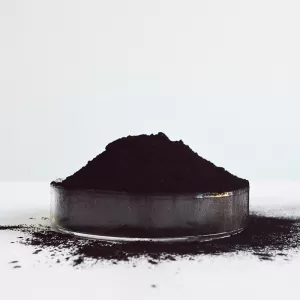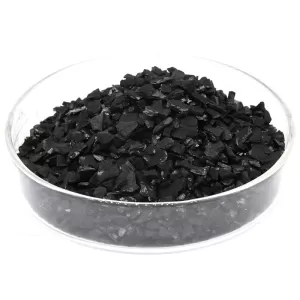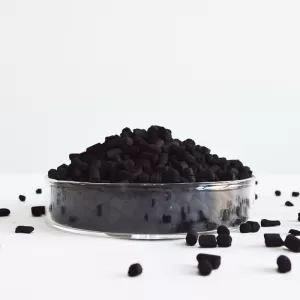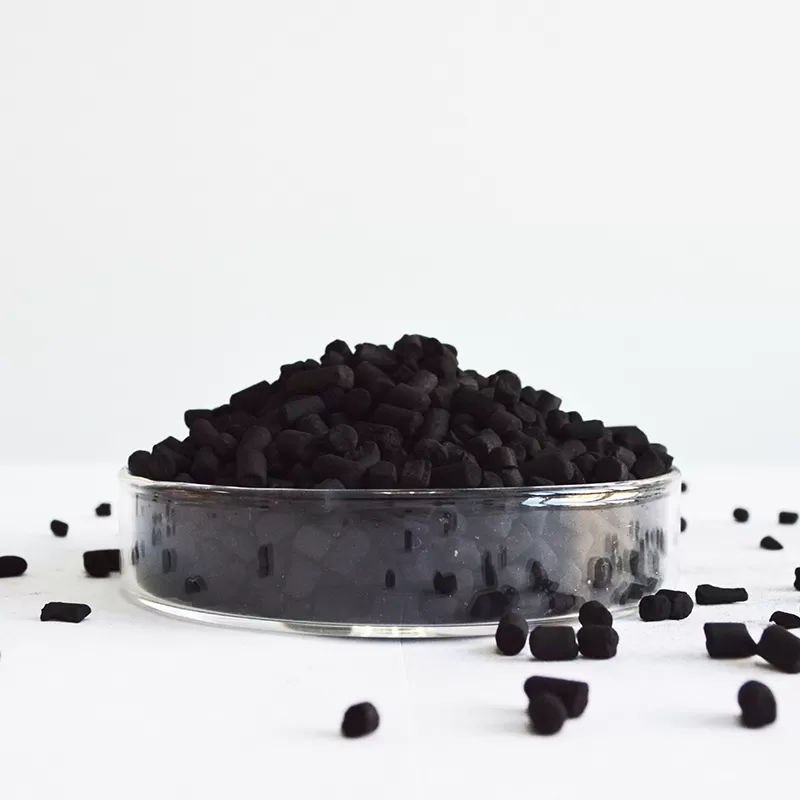
Tairan Chemical’s Columnar Activated Carbon is made from high-quality raw materials and treated with special processes to offer excellent adsorption capabilities. It is widely used in water treatment, air purification, and various industrial wastewater and exhaust gas treatments. Our columnar activated carbon effectively removes harmful substances, pigments, odors, and organic pollutants, making it an ideal choice for many industries.
Description
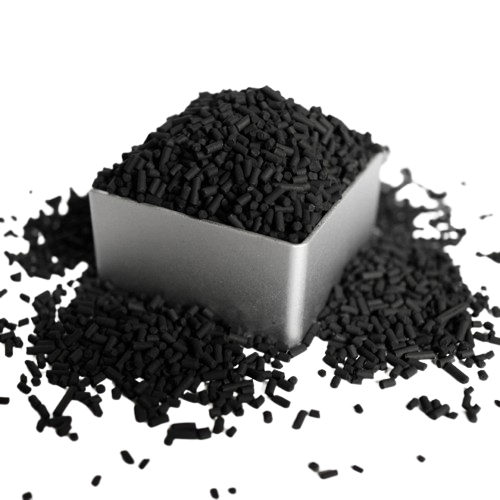
Columnar activated carbon, also called extruded or pelletized activated carbon, is a porous carbon adsorbent formed into cylindrical particles. It can be considered for fixed-bed air, gas, and selected water-treatment systems when the particle form, adsorption performance, and operating conditions match the process requirement.
Columnar activated carbon is available from different raw material and activation routes. Coal-based, wood-based, and coconut-shell-based products can have different pore structures, ash characteristics, hardness, and adsorption behavior. The suitable option should be selected from the current product specification and the target contaminant rather than from particle shape alone.
Cylindrical particles can be suitable for packed or fixed-bed equipment when the bed design is compatible.
Particle strength and attrition resistance should be checked for the intended loading, unloading, and service conditions.
Pore-size distribution and surface properties should be matched to the contaminant and the gas or liquid stream.
Pressure drop, moisture, ash, and regeneration requirements should be evaluated during process design.
Columnar activated carbon may be evaluated for VOC adsorption, odor control, solvent recovery, and selected industrial exhaust-gas treatment. Gas composition, humidity, temperature, inlet concentration, contact time, and breakthrough criteria affect performance and should be confirmed with representative testing.
In selected water or process-treatment systems, granular or columnar carbon may support the reduction of organic compounds, color, odor, or residual oxidants. Actual suitability depends on water chemistry, competing contaminants, pretreatment, bed contact conditions, and the required outlet quality.
Impregnated or specially treated carbon may be considered for specific gas-removal duties. Any impregnated grade, target contaminant, regeneration method, and disposal requirement should be confirmed in the technical data sheet and safety data sheet before use.
Define the gas or liquid stream, target contaminant, flow rate, temperature, humidity, and contact conditions.
Confirm raw material, particle diameter, adsorption indicators, hardness, ash, moisture, and any treatment or impregnation.
Request the current specification, COA, and SDS for the exact grade and lot before purchase.
Use representative samples or a pilot evaluation where breakthrough, pressure drop, or regeneration affects operating cost.
Activated carbon performance is grade-specific. Iodine number, CTC adsorption, bulk density, ash, moisture, particle size, and mechanical properties should be taken from the current supplier documents rather than treated as universal values. Packaging, minimum order quantity, and shipping details also depend on the selected grade and supply agreement.
Keep the product in its original labeled packaging and follow the supplier SDS for dust control, protective equipment, fire precautions, spill response, and disposal. Store it in a clean, dry location protected from moisture, contamination, and incompatible materials. Confirm any regeneration or spent-carbon handling requirements with the process owner.
Share the target contaminant, process stream, equipment type, and operating conditions when requesting a recommendation. Tairan can then provide the current product documentation and discuss whether a columnar activated carbon grade is suitable for evaluation.
For related products, visit Tairan activated carbon or contact our team for current specifications and quotation support.