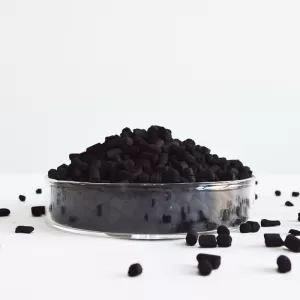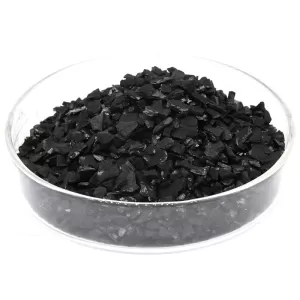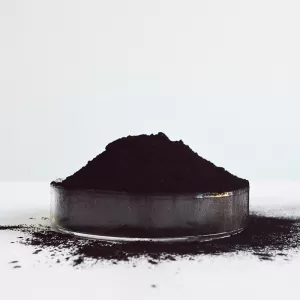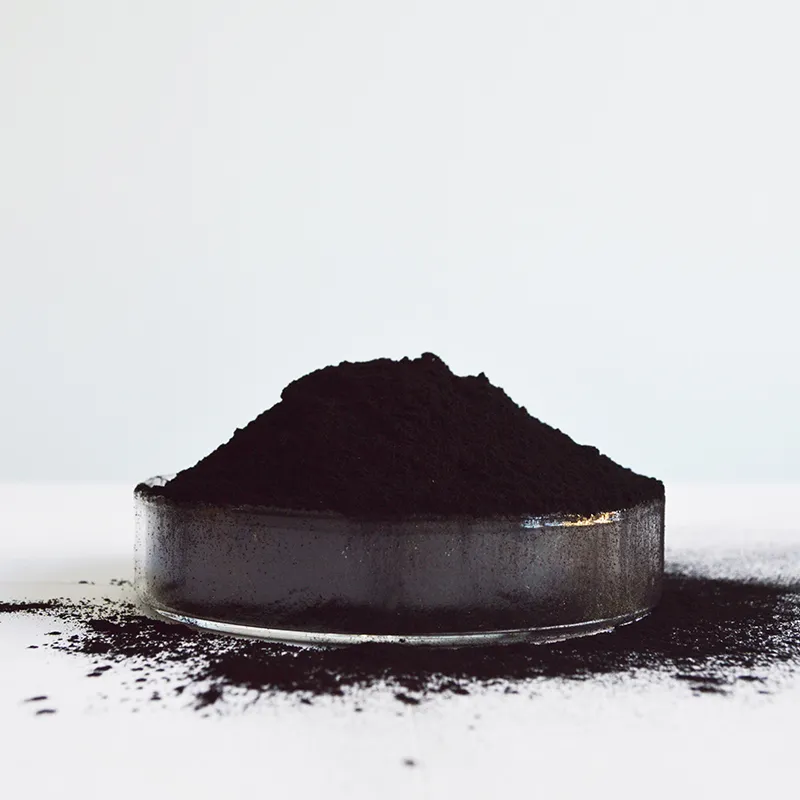
Tairan supplies powdered activated carbon (PAC) for water treatment, wastewater treatment, air purification and industrial filtration. Coal-based, wood-based and coconut-shell-based grades are available; batch specifications are confirmed by the certificate of analysis.
Description
Powdered activated carbon (PAC) is a fine carbon adsorbent used in selected water, wastewater, and industrial purification processes. Because the powder is mixed with the process stream and later separated, PAC is often considered when treatment needs short contact or flexible addition rather than a permanent fixed-bed carbon vessel. Suitability depends on the carbon grade, target contaminant, water chemistry, contact conditions, and separation equipment.
PAC is produced from carbon-rich feedstocks and activated to develop a porous structure. Coal-based, wood-based, and coconut-shell-based products can have different pore characteristics, ash, hardness, moisture, and adsorption behavior. The selected grade should be confirmed from the current technical data sheet and certificate of analysis.
PAC may be evaluated for the reduction of selected organic compounds, color, odor, residual oxidants, and other contaminants that are compatible with adsorption treatment. In wastewater systems, performance can be affected by suspended solids, dissolved organic matter, pH, temperature, competing contaminants, and the downstream solid-liquid separation step.
When color or odor is linked to adsorbable compounds, PAC can be considered as part of a treatment train. Bench testing should confirm contact time, carbon selection, removal performance, and the impact on filtration or sludge handling.
Selected PAC grades may be used in industrial, chemical, food, or beverage processes for decolorization or impurity reduction where the grade and regulatory status are appropriate. Confirm process compatibility and product-contact requirements before use.
PAC is added as a powder and normally requires clarification, filtration, or another separation step after contact. Granular or columnar activated carbon is placed in a bed and may be preferred when continuous flow, pressure drop, breakthrough monitoring, and carbon replacement are part of the system design. The correct form depends on equipment, process duration, solids handling, and operating objectives.
Define the water or process stream, target contaminant, flow rate, pH, temperature, and required outlet quality.
Confirm feedstock, particle or mesh range, adsorption indicators, ash, moisture, and any applicable treatment or impregnation.
Request the current technical data sheet, COA, SDS, and regulatory documentation for the exact grade and lot.
Use representative jar tests, bench tests, or a pilot evaluation to compare grades and establish process conditions.
Check how spent carbon will be separated, stored, regenerated, or disposed of before full-scale operation.
Keep the product in its original labeled packaging and follow the supplier SDS for dust control, protective equipment, ventilation, fire precautions, spill response, and disposal. Store PAC in a clean, dry location protected from moisture and contamination. The process owner should assess dust and fire controls for the specific handling system.
Product performance is grade-specific. Packaging, minimum order quantity, shipping options, and available documentation depend on the selected grade and supply agreement. Request current specifications and a COA before purchase so the delivered material can be checked against the order.
Share the target contaminant, water or process conditions, contact equipment, separation method, and required documentation when requesting a recommendation. Tairan can provide current product documents and discuss whether powdered activated carbon is suitable for evaluation.
For related products, visit Tairan activated carbon or contact our team for current specifications and quotation support.