A buyer-focused guide to polyacrylamide production and supplier verification
Industrial buyers searching for the polyacrylamide manufacturing process often want more than a chemistry overview. They need to understand what can reasonably be checked before comparing a grade, requesting documents, or starting a representative trial. This guide explains the process at a high level. It is not a production specification: manufacturing routes and control plans vary by product form, charge type and supplier.
Scope
High-level process map
Check
Grade, lot and documents
Outcome
A better-informed RFQ
Polyacrylamide (PAM) is generally made by converting acrylamide-based feedstock into a polymer. For a buyer, the important question is not a supplier’s confidential recipe. It is whether the product identity, intended application and supporting documentation are clear enough to evaluate consistently.
A sound comparison starts with the application: the water or sludge being treated, the target separation result, the equipment in use and the form of PAM required. It should then be followed by a documented grade selection and a trial using representative material.
Exact equipment and sequence depend on the producer and product form, but industrial PAM supply may involve the following stages:
1Controlled inputs
Feedstock and process materials are identified and managed under the producer’s internal controls.
2Polymer formation
Monomer-based feedstock is converted into a polymer. The selected route is not interchangeable across every grade or supplier.
3Product-form conversion
Depending on the supplied form, this may include handling, drying, size reduction, screening or other finishing steps.
4Lot identification and packaging
The finished material is packed and assigned a lot or batch reference for traceability.
Important: This map should not be read as a recipe. Parameters, materials and controls are producer-specific. Request the documentation relevant to the grade being evaluated.
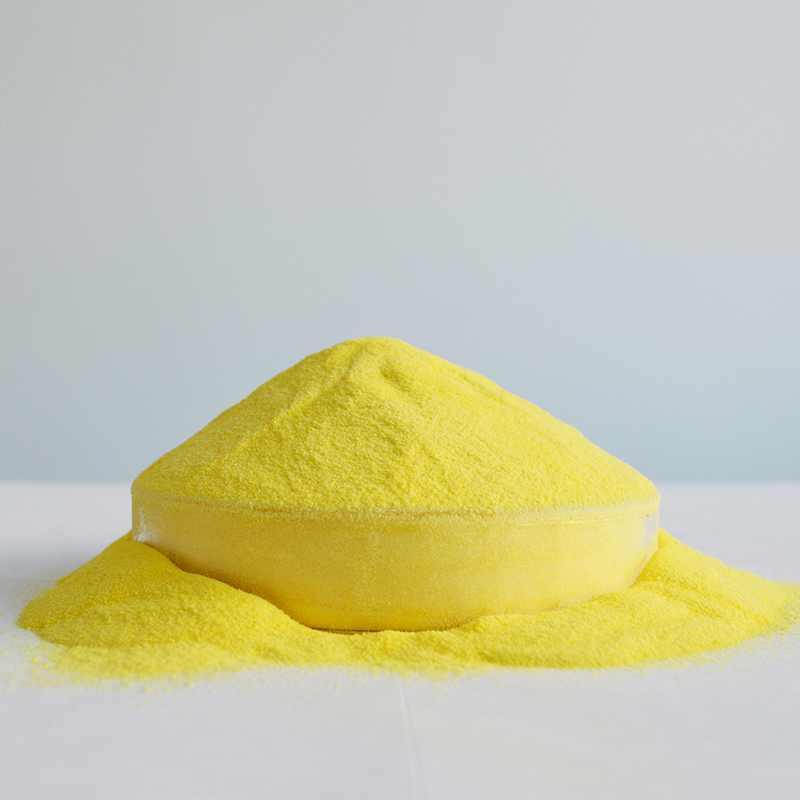
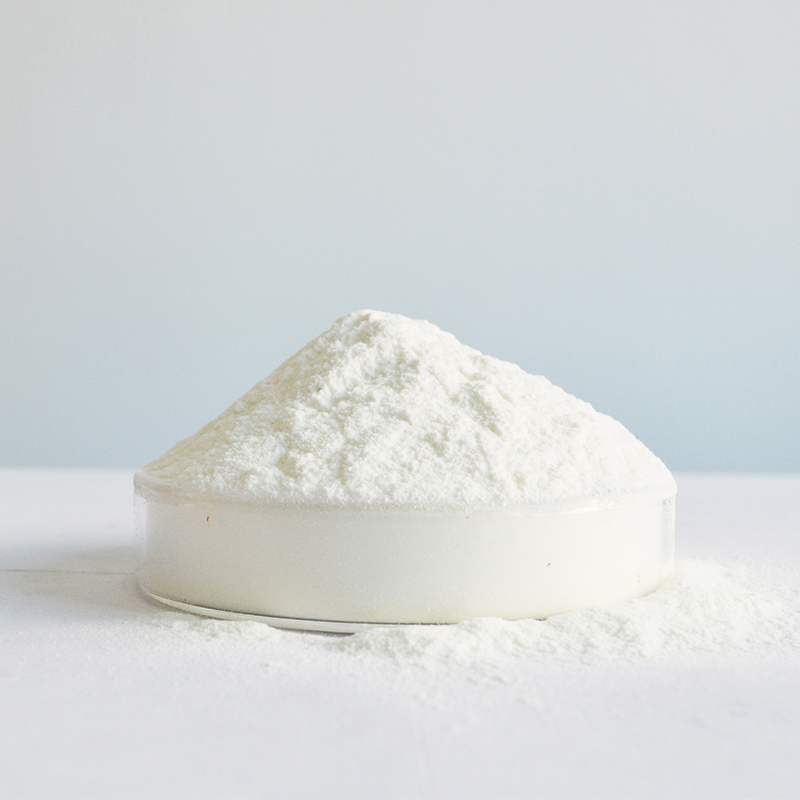
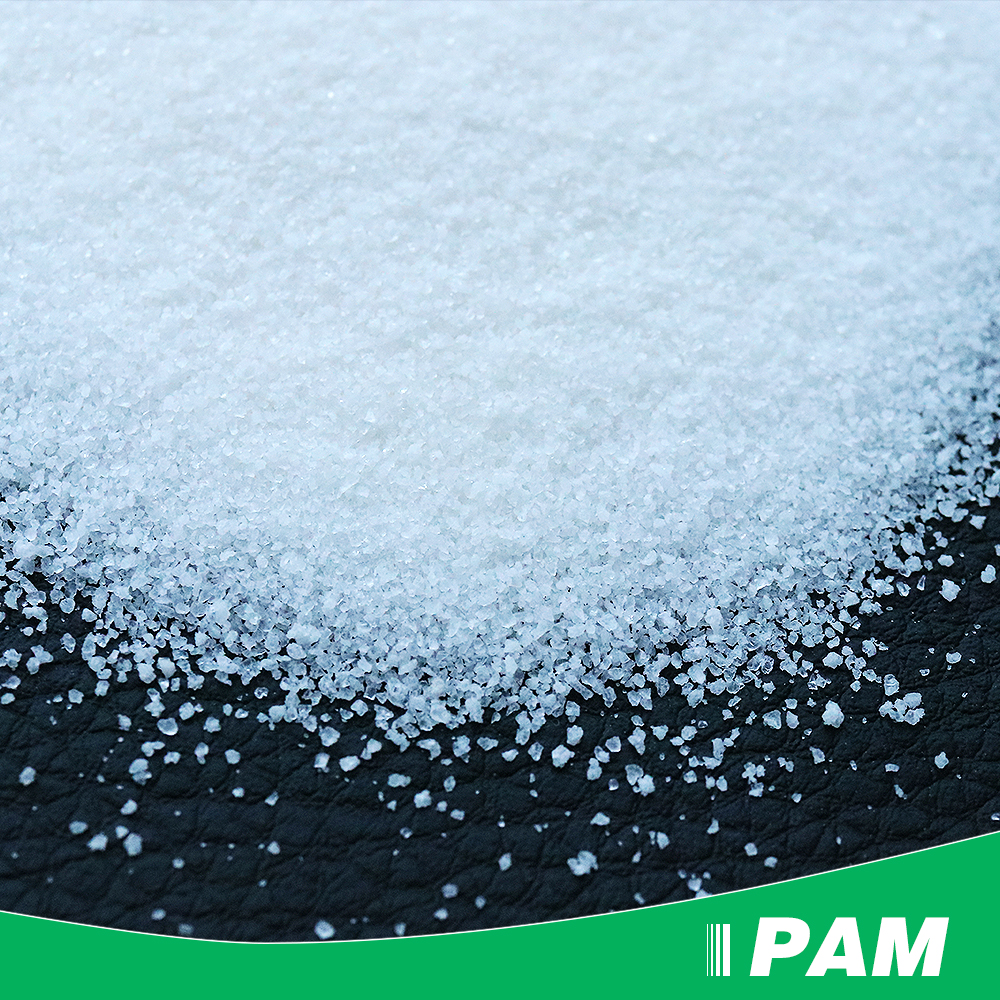
White granular or powder materials can look similar while being intended for very different process conditions. Product appearance alone does not establish charge type, suitability for a water matrix, compatibility with dosing equipment or expected trial performance. Selection should be based on the supplier’s grade identification, application guidance and test results from representative samples.
Before qualifying a potential supply, ask whether the supplier can provide documents that match the proposed grade and lot. Depending on the application and destination market, useful questions include:
What is the full grade name, product form and intended application?
Is the proposed material an anionic, cationic or non-ionic PAM grade?
Can the supplier provide a current technical data sheet, safety data sheet and lot-specific certificate of analysis where applicable?
What are the recommended solution-preparation, storage and handling instructions for that product form?
How is the lot identified, and what information can be used to trace a shipment back to the supplied documentation?
Document availability and applicable requirements differ by product and market. Confirm them before purchase rather than assuming that a general product family description applies to every grade.
A manufacturing overview does not replace application testing. For water treatment, clarification and sludge-dewatering work, grade selection should be tied to the actual water or sludge characteristics and the separation equipment. The polyacrylamide product range can be a starting point for discussing anionic, cationic and non-ionic options; representative trials remain the appropriate way to evaluate a proposed grade.
What material is being treated: raw water, wastewater, process water or sludge?
What separation result or operational issue needs to be addressed?
Which dosing, mixing and separation equipment is installed?
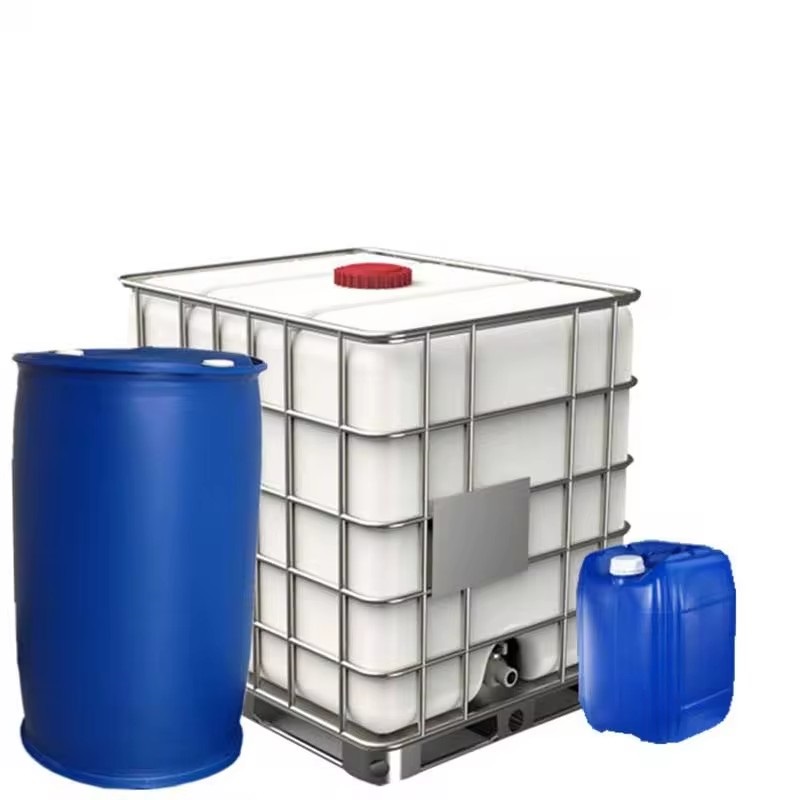
Which product form and packaging are suitable for the site?
Which documents are required for the intended market and procurement process?
Providing this context lets a supplier discuss an appropriate grade and the supporting information to request. For pricing considerations that depend on product form and specification, see Polyacrylamide Price for Water Treatment.
No. The broad concept is polymer formation from acrylamide-based feedstock, but equipment, finishing steps, product form and internal control plans can differ. Confirm the proposed grade and its documentation with the supplier.
No. A process overview does not establish performance in a specific water or sludge. Use the product documentation and representative trials to assess a proposed grade.
Request the exact grade identification, intended use, product-form guidance and the documents required by the application and destination market. Where relevant, ask how the shipment lot corresponds to the provided documentation.