Aluminum chlorohydrate (ACH) is an aluminum-based coagulant used in selected water treatment processes. In this context, the product helps destabilize fine suspended matter so particles can form flocs and be separated by clarification or filtration. Performance depends on raw-water chemistry, process design, and product quality.
ACH refers to a family of basic aluminum salts used as coagulants. Commercial materials can differ in concentration, basicity, physical form, and other product parameters, so a product name alone is not enough to define performance. Confirm the supplier specification and application requirements before use.
Unlike a simple fixed formula claim, ACH is better described by its product specification and basicity-related characteristics. The correct technical description should follow the supplied certificate or technical data sheet.
ACH can be used in coagulation and clarification steps to reduce turbidity and help separate suspended particles. For drinking-water applications, selection must follow the applicable local requirements and the treatment operator validation.
ACH may be considered where the process needs an aluminum-based coagulant. Jar testing helps compare floc formation, settling, residual aluminum, pH response, and sludge characteristics under site conditions.
In selected process-water systems, ACH can support pretreatment or polishing before downstream filtration or other unit operations. The target water quality and downstream equipment should determine the acceptance criteria.
Coagulation reduces the stability of dispersed particles. After rapid mixing, gentle flocculation allows larger aggregates to form; clarification or filtration can then remove them. ACH performance is not determined by the chemical alone: mixing, pH, alkalinity, temperature, particle load, and competing treatment chemicals can influence the result.
Define the water source, treatment objective, and process position.
Review the supplier technical data sheet and certificate for the exact grade.
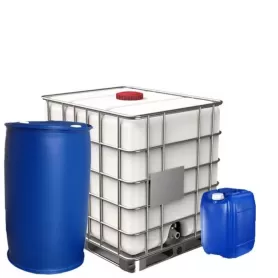
Check physical form, packaging, storage conditions, and shelf-life guidance.
Run jar tests or pilot checks before full-scale use when process conditions are variable.
Confirm local drinking-water, wastewater, worker-safety, and disposal requirements where applicable.
Store ACH according to the supplier instructions and keep containers closed and clearly labeled. Use the site risk assessment, safety data sheet, suitable personal protective equipment, and local chemical-handling procedures.
Do not copy a generic dosage into a plant operating procedure. Establish operating settings through controlled testing and monitor treated-water results, pH, turbidity, sludge behavior, and any site-specific residual limits.
ACH, polyaluminum chloride, ferric salts, and other coagulants can behave differently in the same water. A practical comparison should use the same raw-water sample and evaluate treatment results, operating complexity, sludge handling, and total cost. There is no universal best coagulant for every site.
ACH selection for drinking water or discharge treatment should be based on the intended use, supplier documentation, and applicable regulations. This article is general technical information, not a substitute for a site trial, regulatory review, or the product SDS.
Aluminum chlorohydrate is a water-treatment coagulant option whose value depends on the water chemistry and the treatment process. A clear specification review, controlled jar testing, and routine process monitoring provide a sound basis for deciding whether ACH fits a particular application.
For related water-treatment chemical information, visit Tairan water treatment chemicals or contact our team for product documentation and application discussion.