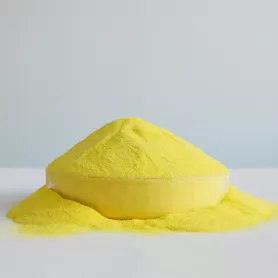
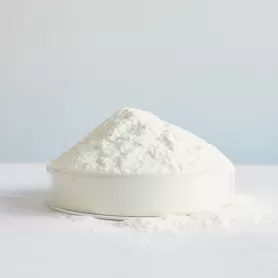
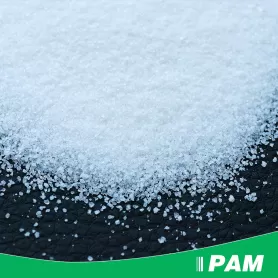
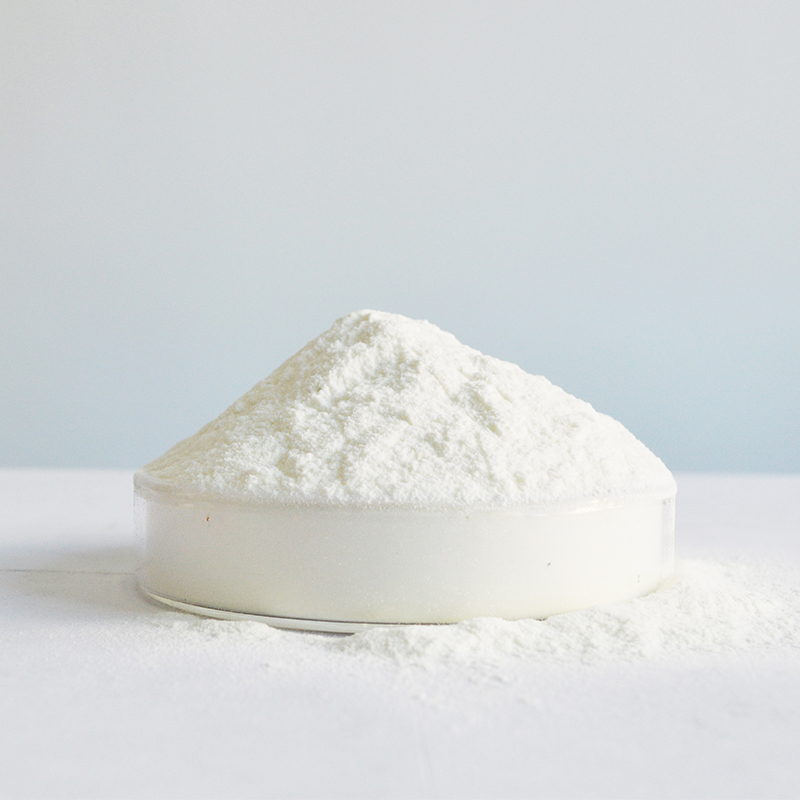
White polyaluminium chloride (PAC) is an inorganic polymer coagulant used in water and wastewater treatment. Its positive charge helps destabilize suspended and colloidal particles so they can form flocs and be removed by sedimentation or filtration.
This guide explains how white PAC works, where it may be used, and what buyers and treatment operators should check before selecting a grade. Product suitability should be confirmed against the supplier current specification, test results, and local requirements.
White polyaluminium chloride is a white powder form of PAC. Tairan describes its high-purity white PAC as a coagulant for water purification, wastewater treatment, and selected industrial processes. The exact grade, raw materials, manufacturing process, and compliance status should be checked in the product specification or certificate of analysis.
1. Charge neutralization: PAC hydrolysis products help reduce the repulsive forces that keep colloidal particles dispersed.
2. Floc formation: Destabilized particles combine into larger aggregates that are easier to separate.
3. Solid-liquid separation: Flocs can be removed through sedimentation, clarification, or filtration, depending on the treatment train.
Performance depends on water chemistry, turbidity, pH, mixing conditions, equipment, and the selected PAC grade. A jar test or equivalent site evaluation is more reliable than a universal dosage.
White PAC may be considered when the grade, impurities profile, and required approvals match the project. It can support removal of turbidity, suspended solids, and colloidal matter. Do not assume every white PAC product is approved for potable water.
PAC is used in clarification steps for selected industrial and municipal wastewater streams. Selection should consider pollutants, downstream process, sludge characteristics, and jar-test results.
Depending on grade and process design, PAC can be used in papermaking-related water treatment and other process-water applications. Confirm the intended use and performance requirements with the supplier.
Some PAC grades are used in clarification processes such as sugar refining. Verify the correct grade and any food-contact or process-specific requirements before use.
Grade and end use: Confirm whether the material is intended for drinking water, industrial wastewater, process water, or another application.
Specification and test data: Compare the current specification or COA for alumina, basicity, insoluble matter, iron, and other relevant parameters. Do not infer compliance from color alone.
Water-treatment performance: Evaluate the product with representative water and operating conditions. pH, mixing, temperature, turbidity, and competing chemicals can change the result.
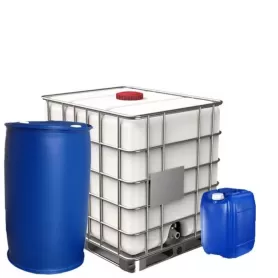
Supply and handling: Confirm packaging, storage, transport, shelf-life, and technical support requirements before ordering.
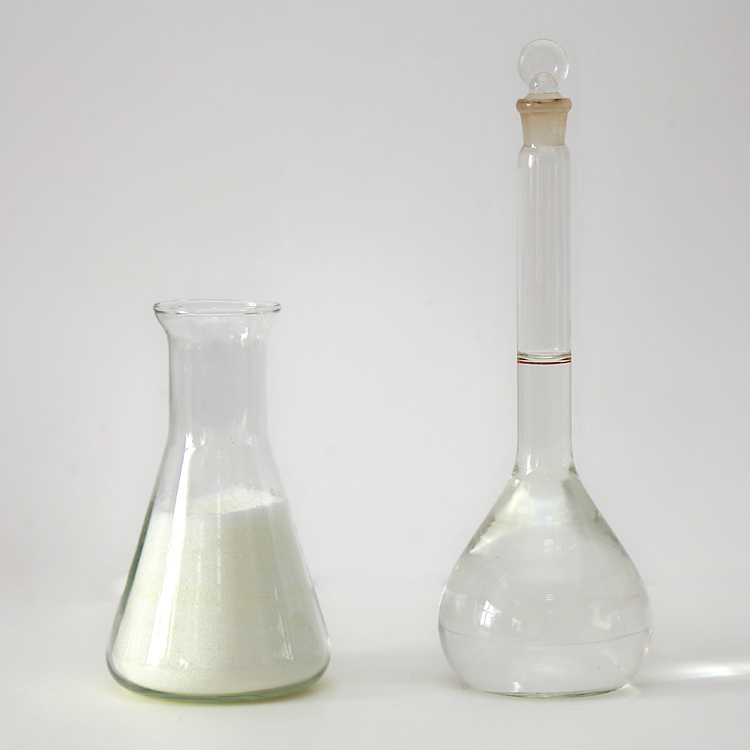
For current specifications, grades, packaging, and technical documents, see Tairan high-purity white PAC product page. For other grades, compare the drinking-water-grade PAC and industrial-grade PAC pages.
Keep PAC powder dry and follow supplier safety data, packaging instructions, and local handling requirements. Avoid moisture, damaged packaging, and unsuitable co-storage. Use supplier technical documentation for preparation and dosing instructions.
White polyaluminium chloride (PAC) can be useful for water-treatment and selected clarification applications, but color alone does not define performance or compliance. Choose the grade from verified product data, evaluate it with representative water, and match it to the treatment process and end-use requirements. Contact Tairan Chemical for current product and technical information.