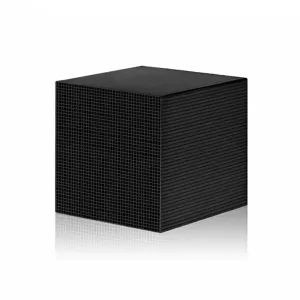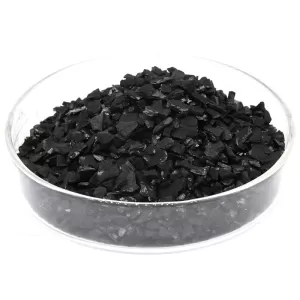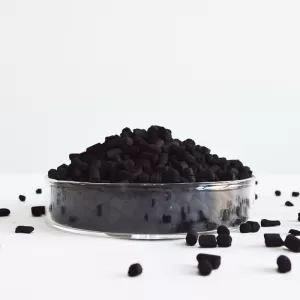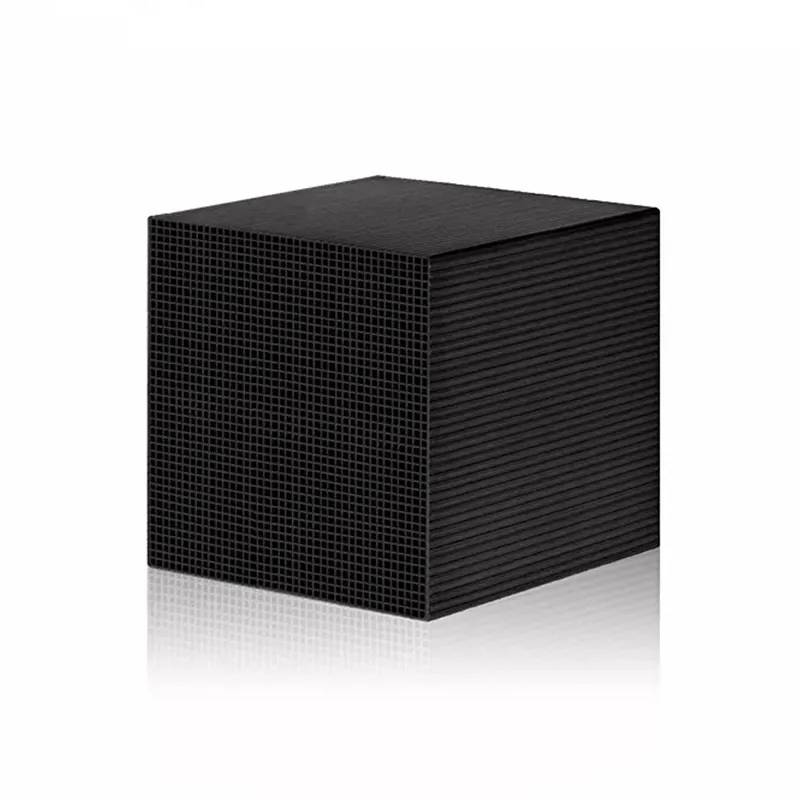
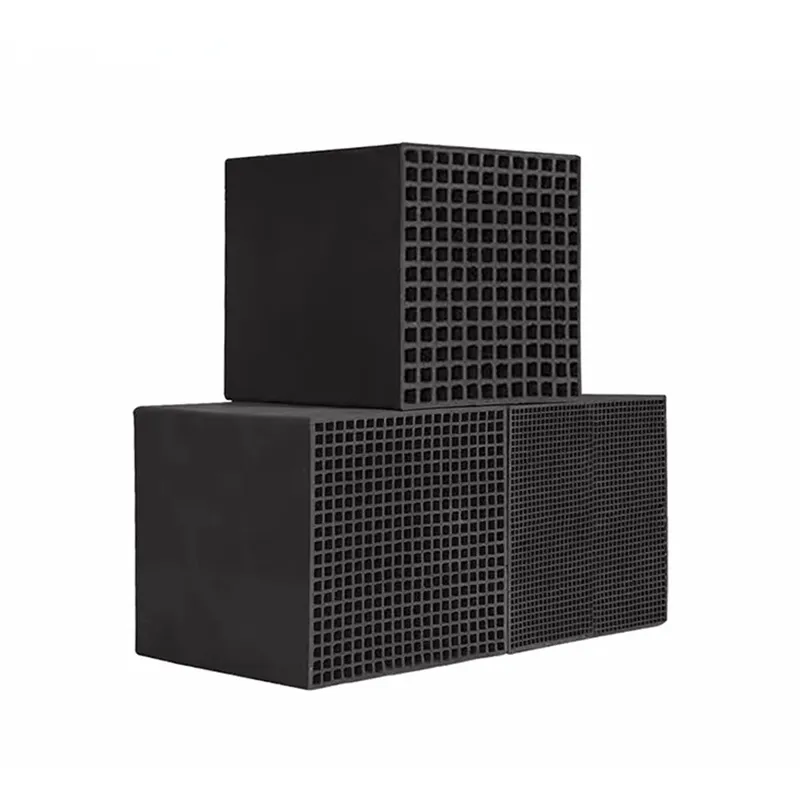
TAIRAN CHEMICAL's honeycomb activated carbon is designed for efficient VOCs and air pollutant removal. Its unique honeycomb structure offers a large surface area and low airflow resistance, ensuring excellent adsorption performance even at low concentrations and high airflow. Ideal for industrial waste gas treatment, air purification, and environmental protection applications, it is commonly used in spray booths, chemical plants, and automotive parts manufacturing. Our honeycomb activated carbon provides long-lasting performance and cost-effective solutions for air purification.
Description
Honeycomb activated carbon is a shaped porous carbon adsorbent used in selected air and gas purification systems. Its honeycomb channels provide a structured contact surface and can be considered when an application needs a balance between adsorption, airflow, and equipment layout. The correct grade depends on the target contaminant and operating conditions.
Honeycomb activated carbon is formed into a block with internal channels. The substrate, carbon source, activation method, channel design, and any treatment or impregnation influence adsorption behavior, pressure drop, mechanical handling, and service requirements. These characteristics vary by grade and should be confirmed in the current technical documents.
Honeycomb carbon may be evaluated for selected VOC adsorption, odor control, and industrial exhaust-air duties. Common evaluation settings can include coating and painting areas, chemical processing, furniture production, and other facilities with controlled air-treatment systems. The target compounds, inlet concentration, humidity, temperature, airflow, contact time, and breakthrough criterion must be defined before selection.
Channel structure and open area should be matched to the equipment airflow and allowable pressure drop.
Adsorption performance should be evaluated against the actual VOC or odor compound rather than assumed from product shape.
Mechanical integrity and installation method should be considered for handling, replacement, and maintenance.
Any impregnated grade should be checked for the target gas, operating limits, regeneration method, and disposal requirements.
List the target contaminants, gas flow, temperature, relative humidity, inlet concentration, and required outlet quality.
Confirm substrate, carbon source, channel configuration, adsorption indicators, pressure-drop data, and mechanical properties.
Request the current technical data sheet, COA, SDS, and any application limits for the exact grade and lot.
Use representative gas testing or a pilot evaluation where breakthrough, replacement interval, or compliance risk affects operating cost.
Honeycomb activated carbon specifications are grade-specific. Dimensions, channel density, wall thickness, adsorption indicators, pressure drop, strength, moisture, ash, and VOC capacity should be taken from the current supplier documents rather than treated as universal values. Confirm packaging, minimum order quantity, replacement guidance, and shipping details before purchase.
Keep the product in its original labeled packaging and follow the supplier SDS for dust control, protective equipment, fire precautions, spill response, and disposal. Store it in a clean, dry location protected from moisture and contamination. Spent carbon may contain adsorbed contaminants, so the process owner should define replacement, regeneration, and disposal procedures.
Share the target gas, process conditions, equipment dimensions, airflow, and required documentation when requesting a recommendation. Tairan can provide current product documents and discuss whether a honeycomb activated carbon grade is suitable for evaluation.
For related products, visit Tairan activated carbon or contact our team for current specifications and quotation support.