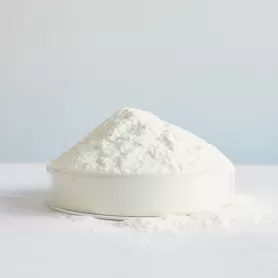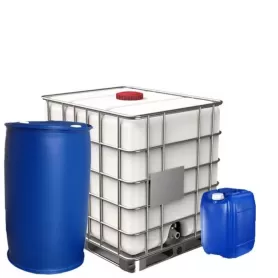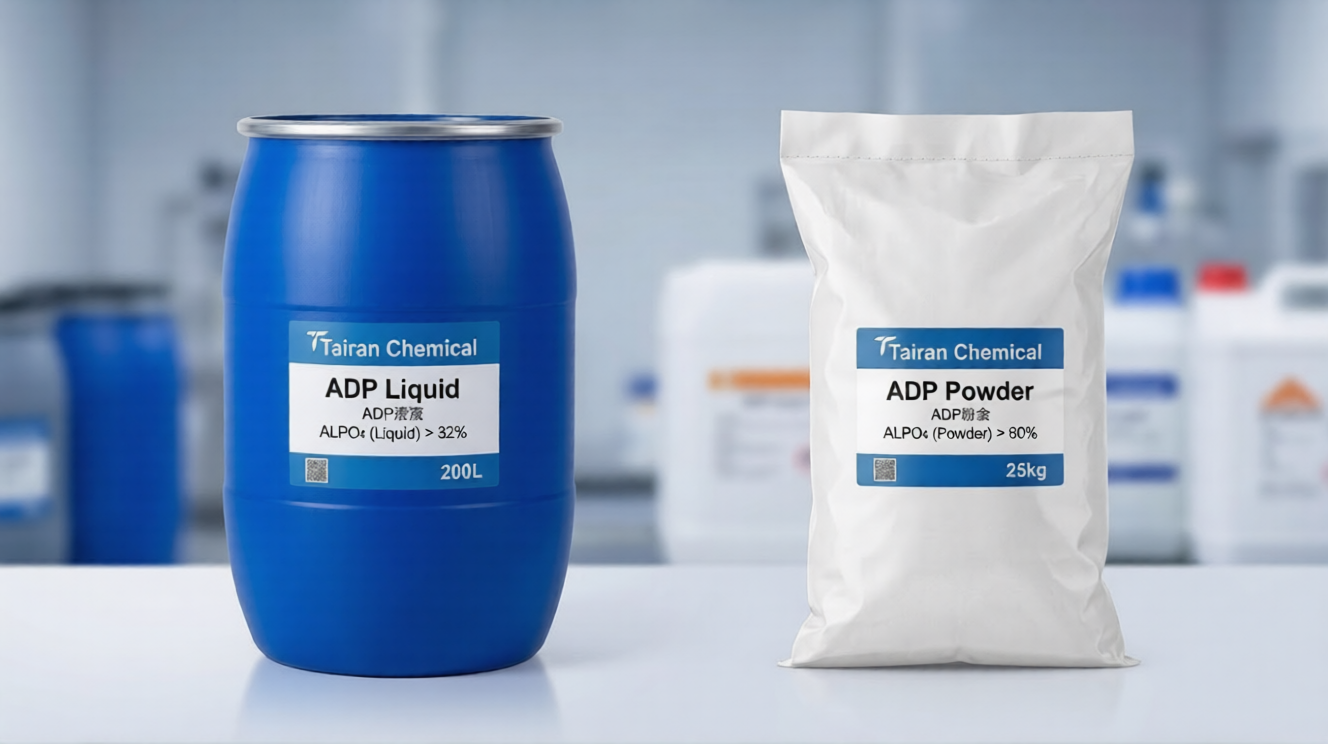
Across the world's steel mills, advanced ceramic workshops, and precision investment casting facilities, one inorganic binder has quietly risen to become the material of choice: Aluminum Dihydrogen Phosphate—Al(H₂PO₄)₃, commonly abbreviated as ADP.
What separates ADP from organic binders, silicate systems, or traditional colloidal silica? In a word: chemistry. When temperatures rise, ADP does not degrade—it reacts, forming a robust aluminum orthophosphate (AlPO₄) ceramic matrix that actually gains strength above 500°C. This counterintuitive property, combined with low shrinkage and excellent chemical resistance, has made ADP the backbone of modern monolithic refractories.
This guide draws on technical datasheets, peer-reviewed materials science literature, and industry procurement standards to give you—the buyer, engineer, or product manager—a clear, actionable understanding of ADP.