28% vs 30% PAC: Water Treatment Selection Guide
Labels such as 28% and 30% PAC usually describe a product specification basis, but the label alone does not determine which product is better for every treatment process. Formulation, basicity, physical form, impurities, water chemistry, equipment, and supplier documents all affect the comparison.
This guide explains how to compare the two product specifications responsibly. It does not assign a universal dose, performance result, cost saving, certification, or compliance outcome to either product.
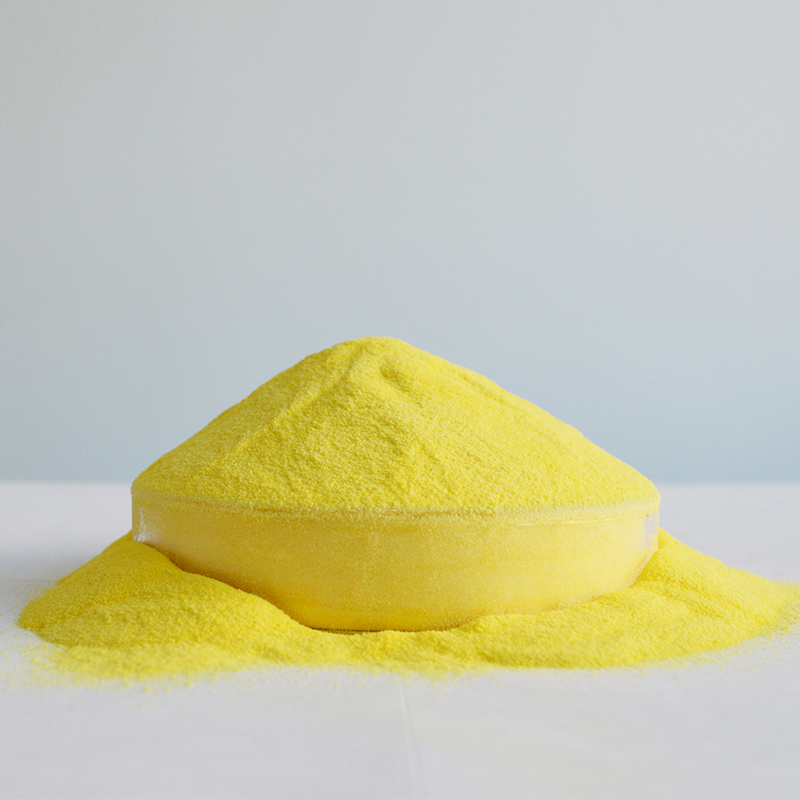
The percentage shown in a PAC product name must be read together with the unit, test method, product grade, physical form, and current COA. Different suppliers may use different specification language, so two products with similar labels should not be assumed to have identical chemistry or treatment behavior.
Confirm whether the percentage refers to an oxide basis or another stated basis.
Check the product grade, physical form, basicity range, insoluble matter, and other declared limits.
Compare the same document version and the same batch information.
Use the actual water and the intended treatment objective for performance testing.
| Item | Why it matters | Evidence to request |
|---|---|---|
| Declared composition basis | Prevents a misleading comparison between different reporting bases. | Current TDS, specification sheet, and COA. |
| Basicity and formulation | May influence hydrolysis, floc behavior, and pH response. | Product-specific declared range and test method. |
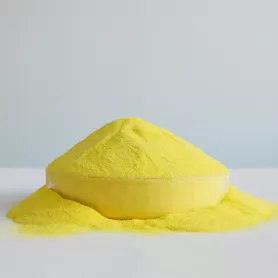
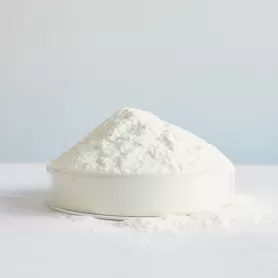
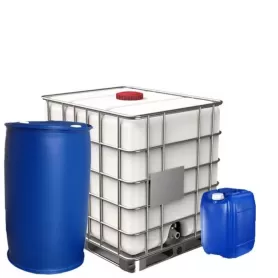
| Physical form | Changes storage, feeding, dust control, and preparation requirements. | Powder or liquid form, packaging, and handling guidance. |
| Impurities and appearance | Can affect process control and acceptance criteria for the intended use. | COA, sampling method, and customer requirements. |
| Storage and compatibility | Protects product quality and equipment reliability. | SDS, TDS, shelf guidance, and compatible materials. |
A higher stated percentage does not automatically prove lower consumption, faster clarification, lower residuals, less sludge, lower total cost, or better suitability. Those outcomes depend on the exact product and process conditions.
Do not transfer a dose from one specification to the other without testing.
Do not compare purchase price without considering the declared basis and usable product.
Do not treat a product label as proof of drinking-water suitability or another regulated use.
Do not use a supplier marketing claim as a substitute for a comparable test record.
For drinking-water related work, confirm the intended product grade, customer requirements, applicable local requirements, documentation, and responsible approval before purchase or use. The product page for drinking-water-grade PAC should be read together with the current product documents.
For industrial or wastewater treatment, select the product form and grade that fit the water chemistry, process train, dosing system, handling controls, and acceptance criteria. Review the industrial-grade PAC information and confirm the current specification before testing.
When impurity limits or appearance requirements are important, compare the relevant COA fields, test methods, packaging, and supply documentation. The high-purity PAC page provides product-specific context, but final suitability still requires project review.
Define the objective. Record the water source, treatment target, process limits, and acceptance criteria.
Confirm the products. Record supplier, grade, form, lot, document version, and declared composition basis.
Prepare consistently. Use the same sample source, mixing sequence, observation window, and measurement method.
Test both products. Use a controlled range selected by the responsible technical team rather than assuming a one-to-one replacement.
Record the result. Compare pH response, floc formation, settling, treated-water measurements, sludge observations, and operator handling.
Check repeatability. Repeat when water source, season, product lot, or process conditions change.
Confirm before changeover. Use a monitored trial or pilot and document the approval decision.
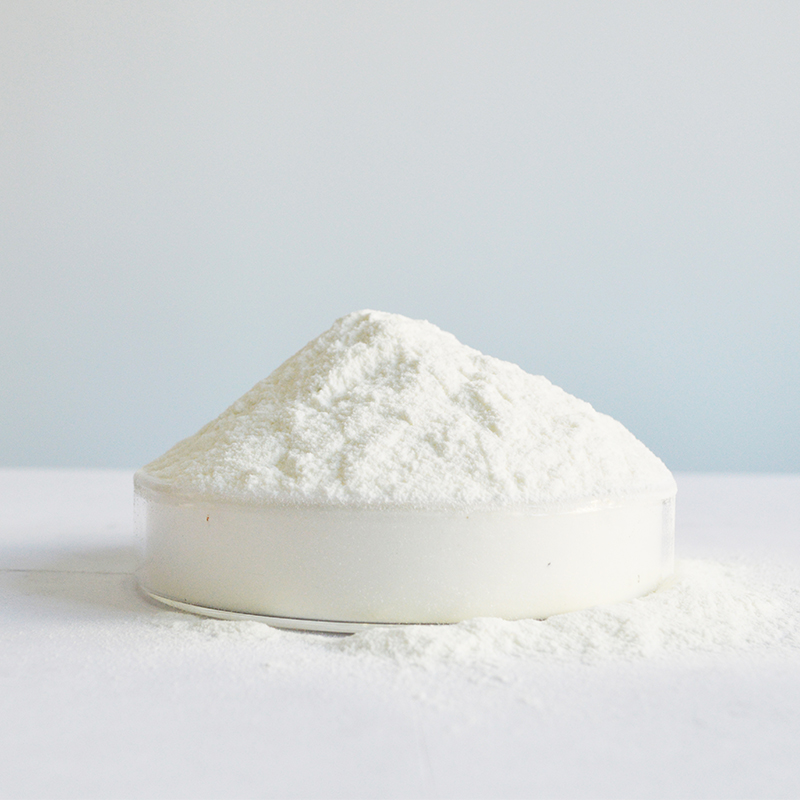
Compare total treatment cost on a consistent treated-volume basis. Include the actual product purchase basis, preparation or dilution, storage, dosing, pH adjustment, equipment maintenance, sludge handling, disposal, labor, and testing. A lower bag price or a higher product percentage is not enough to establish the lower total cost.
Follow the current SDS and TDS for the exact grade and physical form.
Confirm compatible tank, pump, hose, seal, and transfer materials.
Protect powder from moisture and control dust during opening and feeding.
Keep liquid products closed and protect them from conditions listed as unsuitable by the supplier.
Label each batch or container with product identity, lot, date, and handling information.
Separate PAC from incompatible chemicals and maintain the site emergency procedure.
Before choosing between 28% and 30% PAC, request and compare:
Current TDS, SDS, COA, product grade, form, and declared composition basis.
Basicity, insoluble matter, appearance, packaging, and other relevant specification fields.
Representative jar-test records with sample source, method, and acceptance criteria.
Storage, preparation, dosing, compatibility, and safety instructions.
Supply continuity, batch consistency, lead time, and commercial terms.
Customer or local requirements verified by the responsible project team.
No. The product label does not establish universal performance. Compare the exact products under representative water and the intended process conditions.
Do not assume a direct replacement. Check the declared basis, calculate from the product documents, and confirm the change with controlled testing.
It depends on product basis, actual process response, preparation, pH control, sludge handling, equipment, supply, and other operating factors. Compare total cost rather than purchase price alone.
Not by itself. Confirm the grade, physical form, basicity, impurity limits, intended use, and current documents.
Not without review. Water chemistry, process design, equipment, measurement, and acceptance criteria can change the result.
For a product-specific comparison, provide the two current TDS and COA documents, product forms, water source, treatment objective, equipment, test records, and customer requirements. Tairan can help organize the comparison inputs and identify the next technical verification step.