Flocculation in water treatment is the controlled mixing stage that brings small destabilized particles together into larger flocs. These flocs can then be separated by sedimentation, clarification, dissolved air flotation or filtration. Stable results depend on water chemistry, chemical selection, mixing conditions and the separation equipment used downstream.
At a glance
Coagulation destabilizes fine particles.
Flocculation uses gentle mixing to form settleable or filterable flocs.
Jar testing is the practical way to confirm chemical choice and dose.
Flocculation normally follows coagulation. Coagulation reduces the repulsive forces that keep fine particles dispersed, while flocculation uses gentle mixing to encourage particle collisions and build stronger aggregates. The objective is not simply to create the largest floc, but to form a floc that can be separated without breaking apart during clarification or filtration.
Coagulation is usually a rapid-mix step in which a coagulant is dispersed through the water. Flocculation is a slower-mix step that allows the destabilized particles to grow. In a complete treatment process, the two stages work together. An unsuitable coagulant dose, pH or mixing condition can reduce the performance of the later flocculation stage.
Characterize the water. Review turbidity, suspended solids, color, pH, alkalinity and organic load.
Run representative trials. Use jar testing or other process trials to compare coagulant type, dose and pH adjustment.
Apply rapid mixing. Distribute the coagulant and destabilize the particles.
Flocculate under controlled mixing. Build flocs with slower mixing while avoiding excessive shear.
Separate and manage solids. Use clarification, sedimentation, flotation or filtration, then manage the resulting sludge.
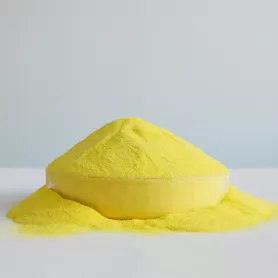
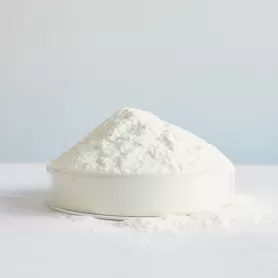
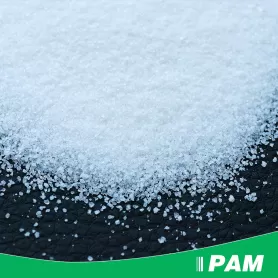
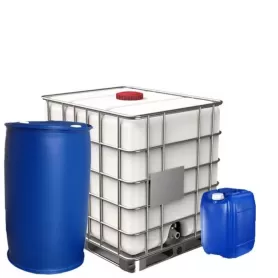
Common coagulants include polyaluminum chloride, polyferric sulfate and aluminum sulfate. Polymer flocculants such as polyacrylamide may be used as a primary or secondary treatment aid, depending on the water and sludge characteristics. Tairan provides polyaluminum chloride, polyferric sulfate, aluminum sulfate and polyacrylamide for different treatment requirements.
Important variables include pH, alkalinity, temperature, chemical dose, mixing intensity, detention time, solids concentration and the shear applied by pumps or piping. For wastewater and sludge dewatering, polymer charge type, molecular characteristics, dilution, aging time and dosing location can also affect floc formation.
Practical selection note: Confirm the final product and dose with representative samples and operating trials rather than selecting a treatment chemical from its name alone.
Wastewater treatment often requires a balance between clarification performance, sludge volume and ease of dewatering. A coagulant may remove suspended solids and colloidal material, while a polymer can support larger flocs and improve separation. The appropriate sequence depends on the wastewater composition and equipment. See the Tairan water treatment chemicals and wastewater treatment resources for related product and process information. For a focused comparison, see Coagulants vs Flocculants in Wastewater Treatment.
No. Coagulation destabilizes particles, while flocculation promotes controlled aggregation after destabilization.
Selection should consider water or sludge analysis, charge demand, pH, solids content, equipment and the target separation result. Jar testing and pilot or plant trials are useful for confirming the choice.
No. Under-dosing may leave particles dispersed, while over-dosing can increase cost, change sludge properties or reduce separation performance. Dose should be optimized against the actual process conditions.