How to Prepare PAC Solution for Water Treatment
Polyaluminum chloride (PAC) solution preparation should follow the exact product grade, physical form, current TDS, SDS, equipment limits, and treatment objective. Powder PAC and liquid PAC are not interchangeable, and a working solution should not be prepared from a generic internet formula alone.
This guide gives a safe preparation framework for technical review. It does not assign one universal concentration, dose, mixing speed, temperature, storage period, or treatment result to every PAC product or plant.
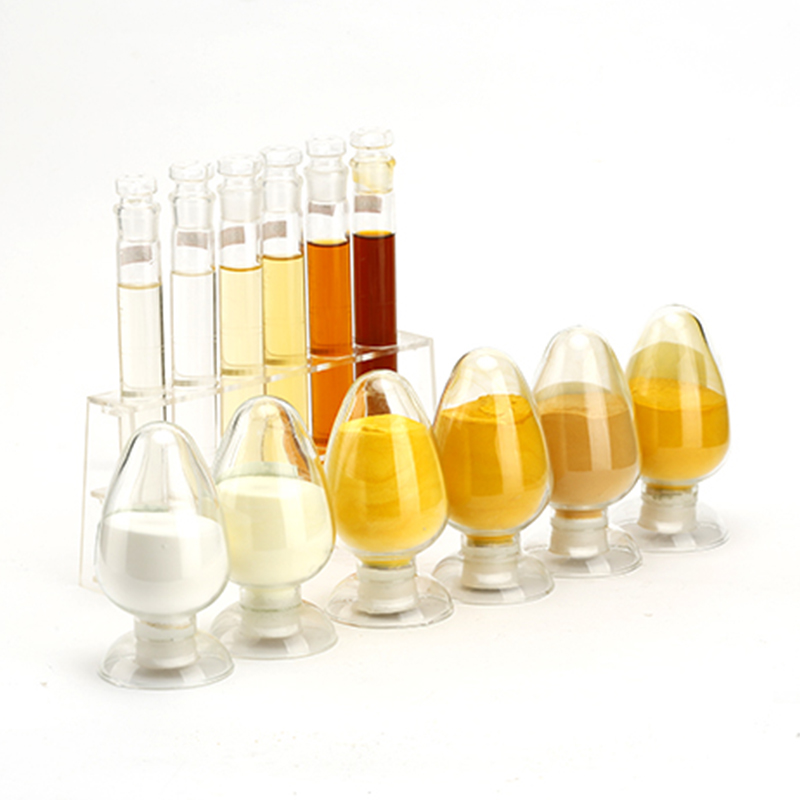
PAC preparation affects feed consistency, equipment operation, worker exposure, and the repeatability of jar-test or plant results. A solution that is too concentrated, poorly mixed, contaminated, or stored outside the supplier guidance may not represent the intended product performance.
Confirm the product identity and grade before opening the package.
Use representative water and a documented treatment objective when testing.
Record the batch date, product lot, operator, equipment, and preparation observations.
Keep the preparation procedure consistent when comparing products or operating conditions.
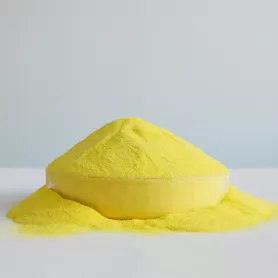
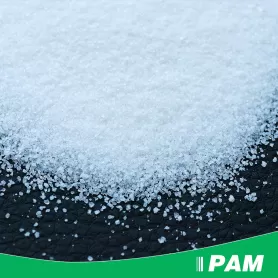
Powder PAC requires controlled wetting and dispersion. The correct working strength depends on the product documents, dosing equipment, process design, and intended use. Do not copy a powder percentage from another PAC grade without confirmation.
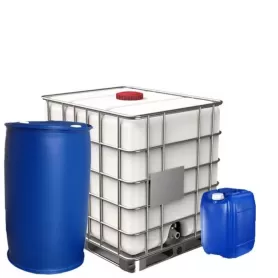
Liquid PAC may require dilution, transfer, or recirculation steps that differ from powder handling. Follow the supplier TDS and SDS for the sequence, compatible materials, mixing requirements, and storage conditions.
Working solution strength describes the prepared feed solution. Treatment dose describes the amount applied to a particular water stream. Neither should be inferred from the other without product information and controlled testing.
Current product label, TDS, SDS, COA, grade, physical form, and lot information.
A preparation tank and transfer line made from materials confirmed compatible with the product.
A mixer or recirculation arrangement suitable for the tank and product form.
Calibrated measuring tools, clear batch identification, and a documented preparation record.
Task-specific PPE, ventilation, spill controls, and emergency arrangements based on the SDS.
Define the required working volume, target working strength, product form, available water, equipment capacity, and feed rate. Check that the plan is within the current TDS and the operating limits of the dosing system.
Confirm that the tank is clean, identified, and compatible. Check the water quality and record the source and relevant measurements. Remove residual chemicals or solids that could contaminate the batch.
Start the approved mixing or recirculation arrangement before addition when required by the product documents. Avoid vortexing, splashing, dust release, and conditions that can damage the mixer or tank.
For powder PAC, add the material to water in the sequence specified by the TDS and use controlled feeding to limit clumping and dust. For liquid PAC, use the transfer and dilution sequence specified for the selected grade. Never rely on the appearance of another product as a substitute for instructions.
Continue mixing until the batch is visibly uniform and the product documents indicate that preparation is complete. Check for undispersed solids, unexpected sediment, unusual color, contamination, leaks, or excessive foaming. Record observations rather than treating appearance alone as proof of quality.
Label the tank with product name, grade, physical form, batch or lot, preparation date, working strength, operator, and any use-by instruction supplied by the manufacturer. Release the batch only after the responsible operator confirms the preparation record.
Liquid PAC dilution must be calculated from the actual product information and the target working strength. Use the supplier method and verify the compatibility of the water, tank, pump, hose, and seals. Add the concentrate and dilution water in the approved sequence, prevent backflow, and document the final batch identity.
Do not mix liquid PAC with other treatment chemicals in the preparation tank unless the process design, compatibility review, and product documents specifically support it.
Store PAC products and prepared solutions according to the current SDS and TDS. Protect containers from contamination, unauthorized access, unsuitable temperatures, and direct conditions that the supplier identifies as damaging.
Keep containers closed and clearly labeled.
Use compatible tanks, pumps, hoses, and fittings.
Separate PAC from incompatible chemicals and keep the area ventilated.
Inspect prepared solution before use for unexpected separation, solids, contamination, or other changes.
Do not extend a use period beyond the supplier instruction or an approved site procedure.
Review the current SDS, complete the site risk assessment, inspect PPE and ventilation, and confirm spill and first-aid arrangements. The SDS and local site rules control the required protective measures.
Control dust and splashes, keep the tank and transfer points stable, and avoid manual handling practices that can expose workers. Do not eat, drink, or store personal items in the chemical handling area.
Close and label containers, clean approved equipment using the site procedure, record the batch, and manage residues and spills according to the SDS and local requirements. Seek medical support for exposure according to the site emergency plan.
Use jar testing to evaluate the prepared solution under representative water and process conditions. Keep the product grade, sample source, mixing sequence, settling observation, measurements, and acceptance criteria documented.
Define the treatment objective and the measurements that will be compared.
Collect and identify representative water samples.
Prepare the PAC solution using the approved product-specific procedure.
Run a controlled comparison and record visual and measured observations.
Review pH, floc behavior, settling, residual indicators, sludge observations, and other site criteria as applicable.
Repeat or confirm the result when water quality, product lot, or process conditions change.
Check the addition sequence, wetting, mixing arrangement, product condition, and water quality. Do not add an unapproved solvent or increase operating conditions without technical review.
Check for contamination, settling, unsuitable storage, incompatible equipment, or preparation outside the product guidance. Hold the batch for responsible review when its identity or condition is uncertain.
Review the product grade, lot, working strength, preparation record, water source, process conditions, and test method together. A change in flocculation or clarification is not proof that one preparation rule applies to every PAC product.
Using a generic concentration or dose without checking the current product documents.
Applying powder and liquid PAC instructions interchangeably.
Comparing two products with different working strengths or test conditions.
Using incompatible tank or pump materials.
Assuming color or clarity alone proves solution quality.
Keeping a prepared solution beyond the documented or approved use period.
Publishing a plant result, cost claim, or compliance statement without comparable records.
There is no universal value. Use the selected product TDS, dosing equipment limits, process design, and controlled test results to set the working strength.
No. The product form changes the preparation, transfer, dilution, storage, and safety controls. Follow the documents for the exact grade.
Only when the process design and product instructions support that method. Confirm mixing, feed control, compatibility, exposure control, and technical approval before changing the procedure.
Use the product-specific TDS or an approved site procedure. Do not assign a universal storage period to every PAC solution.
Check the preparation record and equipment, then use representative jar testing or a monitored plant trial with documented acceptance criteria.
For a product-specific preparation review, provide the PAC grade and form, current TDS and SDS, water source, target process, tank and dosing equipment, and available test records. Tairan can help identify the documents and test inputs needed for a responsible evaluation.