The mining industry faces a dual challenge in 2026: complying with increasingly strict environmental discharge regulations while managing rising operational costs. Water is the lifeblood of mineral processing, but it is also its largest waste stream.
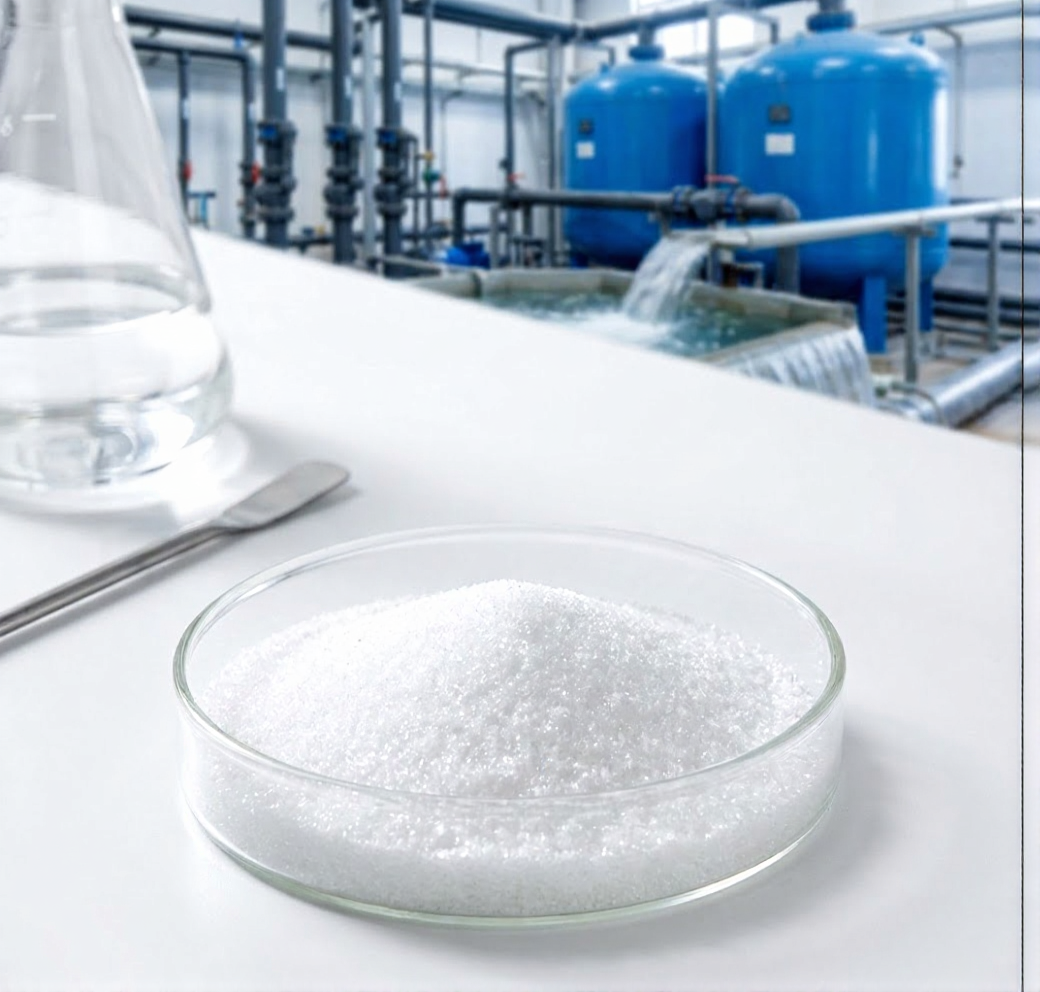
Whether you are dealing with coal washing, metal plating, or tailings disposal, Polyacrylamide (PAM) remains the most efficient flocculant for solid-liquid separation. As a source manufacturer, Tairan Chemical provides this comprehensive guide to help you select the right PAM specifications to optimize recovery rates and reduce total water treatment costs.
In mineral processing, large volumes of water are used to separate valuable ore from gangue. The resulting wastewater typically contains high concentrations of suspended solids, fine particles, and sometimes heavy metals.
Traditional sedimentation (gravity settling) is often too slow for modern production paces. This is where Polyacrylamide steps in. As a high-molecular-weight polymer, PAM acts as a bridge:
● Adsorption: The polymer chains attach to the surface of fine particles.
● Bridging: Long chains link multiple particles together.
● Flocculation: These linked particles form large, heavy "flocs" that settle rapidly, leaving clear supernatant water.
Not all mining wastewater is the same. The choice of PAM depends heavily on the mineral type and the pH of the slurry.
Coal washing generates "coal slime" water containing fine coal powder and clay.
● Challenge: The particles are negatively charged and stabilize in water, making them hard to settle.
● Solution: Typically, Anionic Polyacrylamide (APAM) is used in conjunction with a coagulant (like PAC). The APAM bridges the neutralized coal fines, accelerating the separation of clean coal from refuse.
● Benefit: Increases the recovery rate of fine coal and creates a drier filter cake, reducing transport costs.
For gold, copper, iron, and zinc mines, tailings management is the biggest headache.
Challenge: Tailings often contain ultra-fine particles that clog filters and refuse to settle in thickeners.
Solution: High-molecular-weight Anionic PAM is the standard. For acidic leachates (low pH), a Non-ionic PAM or a weakly Cationic PAM might be required depending on the zeta potential.
Benefit: Accelerates settling in the thickener, allowing for faster recycling of process water back to the plant. It also strengthens the shear resistance of flocs during centrifugation.
Challenge: Low pH and high heavy metal content.
Solution: After pH neutralization (usually with lime), Anionic PAM helps settle the resulting metal hydroxide precipitates.
Choosing the wrong charge density or molecular weight can lead to "floc breakup" or turbid overflow.
| Mining Application | Recommended PAM Type | Molecular Weight | Key Function |
| Coal Washing | Anionic | High (12-18 Million) | Slime settling & filtration |
| Gold/Silver/Copper | Anionic | High to Ultra-High | Tailings thickening |
| Sand & Gravel | Anionic | Medium-High | Wash water recycling |
| Acidic Slurries | Non-ionic / Weak Cationic | Medium | Settling in low pH |
| Sludge Dewatering | Cationic | Medium-High | Filter press efficiency |
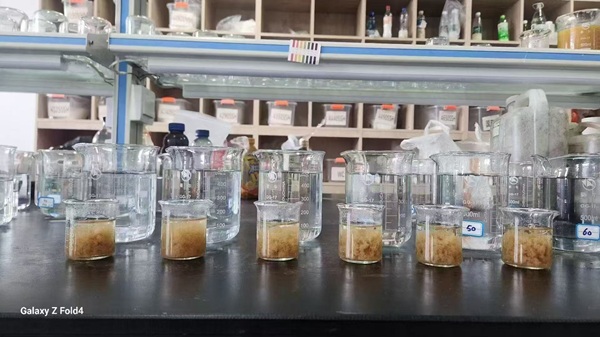
Pro Tip: Always conduct a Jar Test before bulk purchasing. Water chemistry changes with ore veins. Tairan Chemical offers free samples for lab testing to ensure you get the exact specification needed.
To get the most out of your chemical investment:
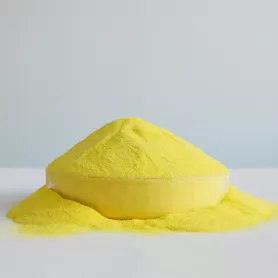
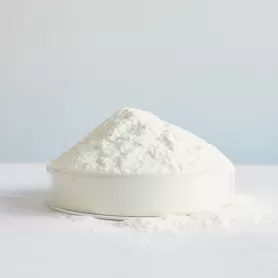
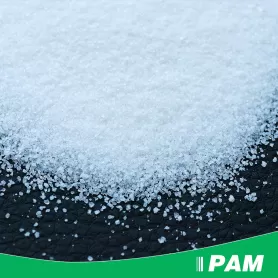
● Dissolution is Key: Mining sites often rush the mixing process. Ensure PAM powder is dissolved for at least 45-60 minutes to fully uncoil the polymer chains. Incomplete dissolution leads to "fish eyes" and wasted product.
● Multi-Point Dosing: Adding PAM at points of high turbulence (for mixing) followed by low turbulence (for floc growth) prevents the shearing of formed flocs.
● Dosage Control: Overdosing is not just wasteful; it can increase the viscosity of the mud, making dewatering harder.
In the mining industry, chemical consistency is crucial for stable plant operations. Buying directly from a manufacturer like Tairan Chemical ensures:
● Consistent Quality: Stable hydrolysis degree and molecular weight batch-to-batch.
● Cost Savings: Eliminating middleman markups.
● Technical Support: Direct access to engineers for troubleshooting complex tailings issues.
Ready to optimize your mine's water recovery?Contact Tairan Chemical today for a customized wastewater analysis and free product sampling.