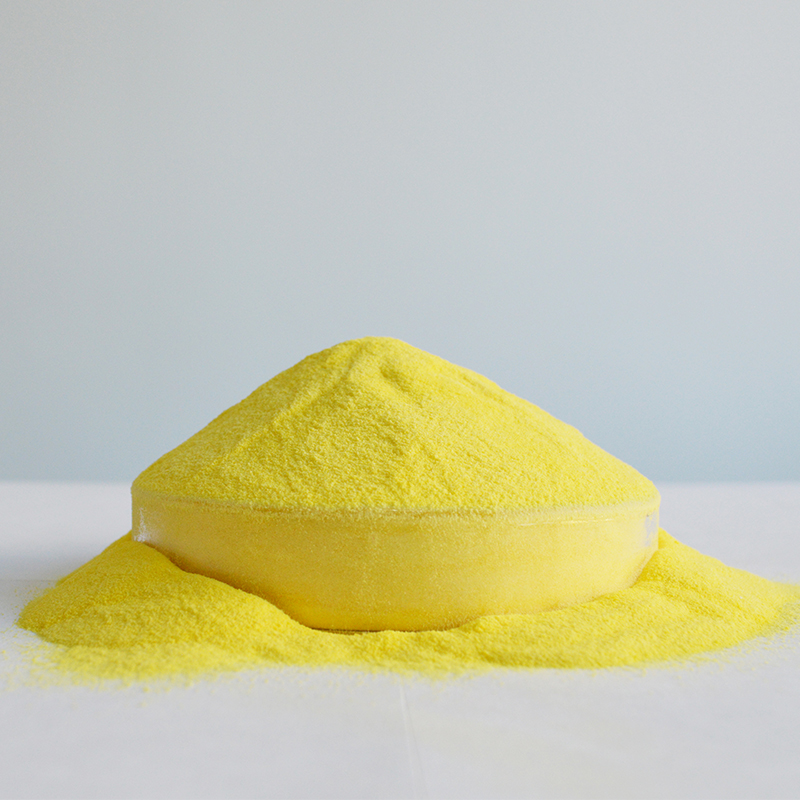
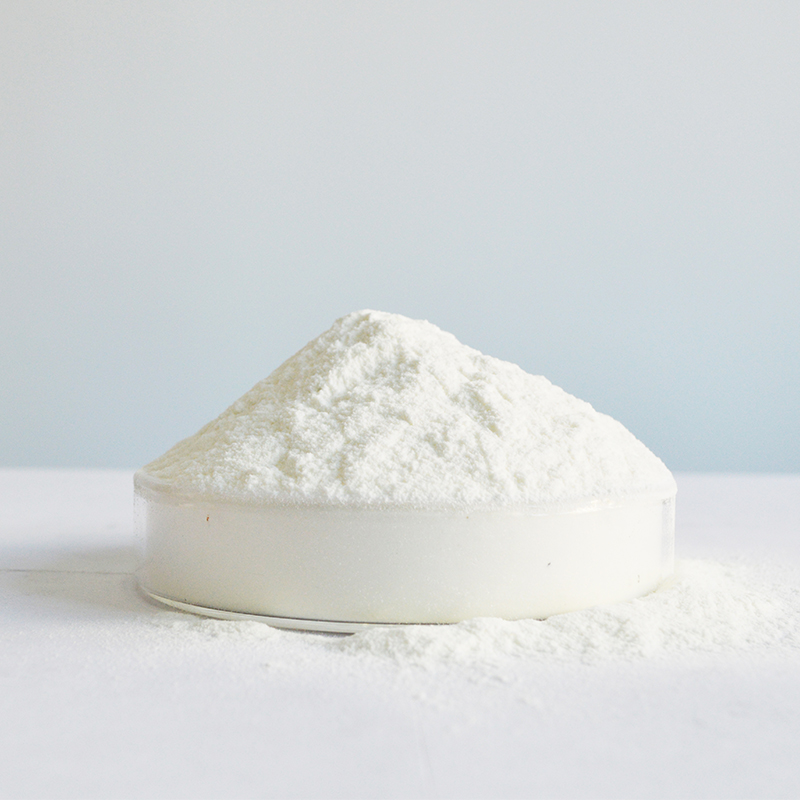
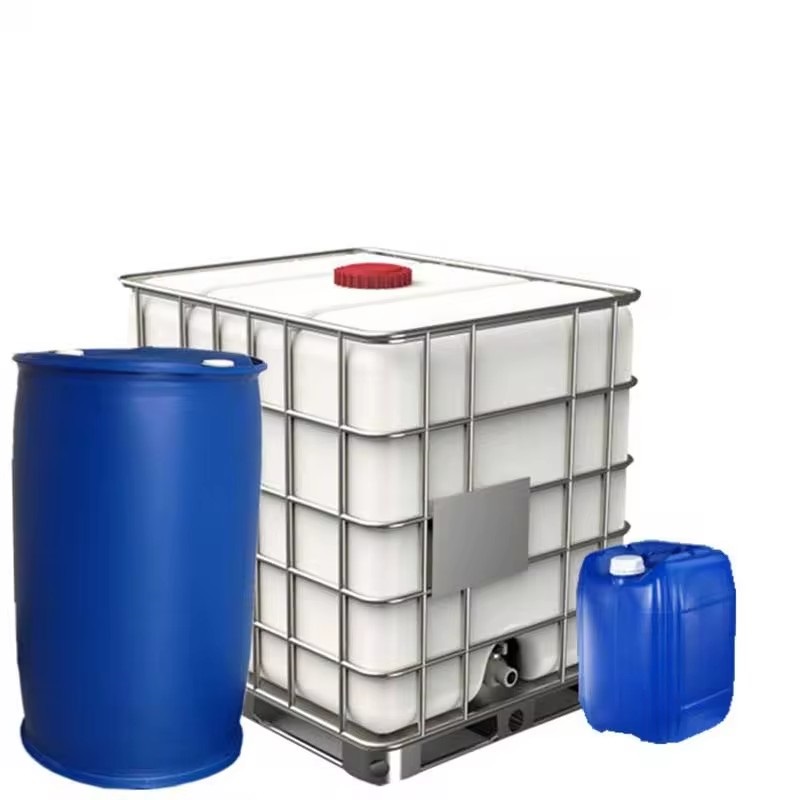
Before comparing quotations, confirm the hydrate form and the basis used for the assay. The same product name does not make different forms interchangeable kilogram-for-kilogram.
Also called: Sodium dihydrogen phosphate dihydrate
Formula: NaH₂PO₄·2H₂O CAS: 13472-35-0
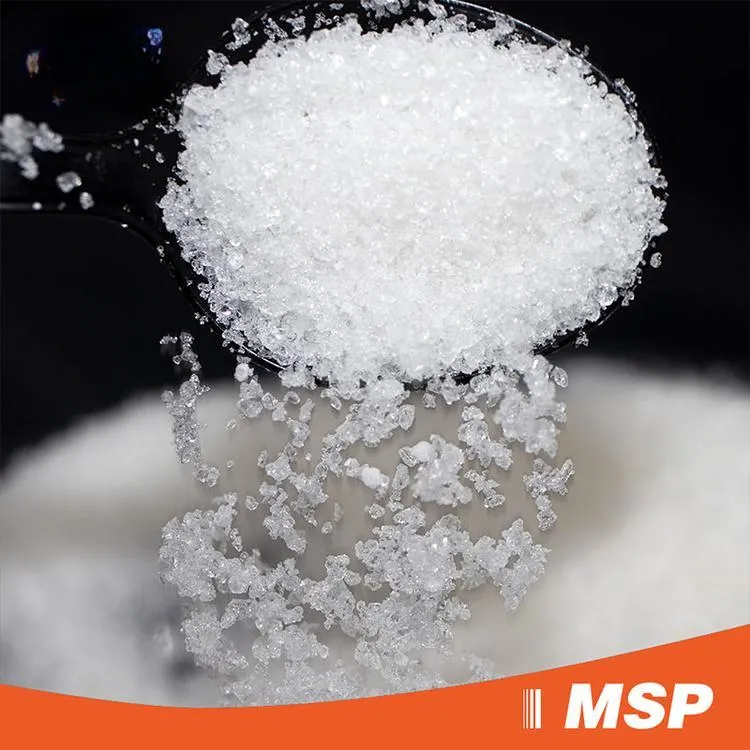
MSP product illustration; not a photograph of a specified shipment.
Monosodium phosphate (MSP) is also called sodium dihydrogen phosphate or monobasic sodium phosphate. The dihydrate contains water of crystallization, shown as ·2H₂O in its formula. That water is part of the named hydrate, not by itself evidence of contamination.
| Form | Formula | Water of crystallization |
|---|---|---|
| Anhydrous | NaH₂PO₄ | None in the named formula |
| Monohydrate | NaH₂PO₄·H₂O | One water molecule per formula unit |
| Dihydrate | NaH₂PO₄·2H₂O | Two water molecules per formula unit |
These are chemical identity distinctions, not a list of all forms offered by Tairan.
“Sodium phosphate” alone is less specific: it can refer to different salts as well as different hydrates. Check the full name, formula and CAS together. Tairan's industrial MSP product page identifies the dihydrate.
A certificate may report content as the hydrate, as an anhydrous equivalent, or on a stated dry basis. Read the test item, reporting basis and method alongside the percentage. Matching percentages are not enough if the documents describe different bases.
If the existing recipe uses another hydrate, have the responsible technical team review the material balance and process requirements. A theoretical mass conversion alone does not establish that the replacement is suitable.
A pH specification describes the solution tested, not an automatic operating target for your process. Compare the stated solution concentration, temperature where provided, and test method. Ask for clarification when these conditions are missing.
For impurity limits, check the substance measured, its unit and whether the number is a maximum limit or an actual batch result. A specification limit does not show that a particular lot was tested at that value. Request documents for the product and lot being offered.
The U.S. EPA's monosodium phosphate profile lists industrial buffering and cleaning formulations among general uses. These uses do not establish the suitability of a particular industrial grade for your process.
Do not assume that industrial material meets food, feed, pharmaceutical or drinking-water requirements. Specify the intended application and destination, then confirm the appropriate grade and supporting documentation.
| What to send | What to confirm |
|---|---|
| Product identity | Full chemical name, hydrate and CAS |
| Application | Intended industrial use and process requirements |
| Specification | Assay basis, impurity limits and pH test conditions |
| Documentation | Applicable technical data sheet (TDS), safety data sheet (SDS), and lot-specific certificate of analysis (COA), when available |
| Order details | Quantity, packaging preference, destination and requested schedule |
Compare offers using the same technical basis and commercial conditions. A general brochure is not a batch certificate.
Please quote industrial monosodium phosphate dihydrate (NaH₂PO₄·2H₂O, CAS 13472-35-0) for [application]. Quantity: [quantity]. Destination: [destination]. Please confirm the assay basis, relevant impurity limits, pH test conditions, packaging, and the availability of the applicable TDS, SDS and lot-specific COA.
Keep packages closed and protect the material from moisture and contamination. Follow the applicable product SDS, supplier instructions and site procedures. Confirm storage conditions and shelf life for the supplied grade.
Review the industrial dihydrate specification and send your application, quantity and destination.