Hard water can complicate an industrial cleaning formulation. Calcium and magnesium in the water may interact with ingredients or contribute to unwanted deposits. One approach formulators evaluate is a phosphate builder that helps manage hardness ions under the conditions of the cleaning process.
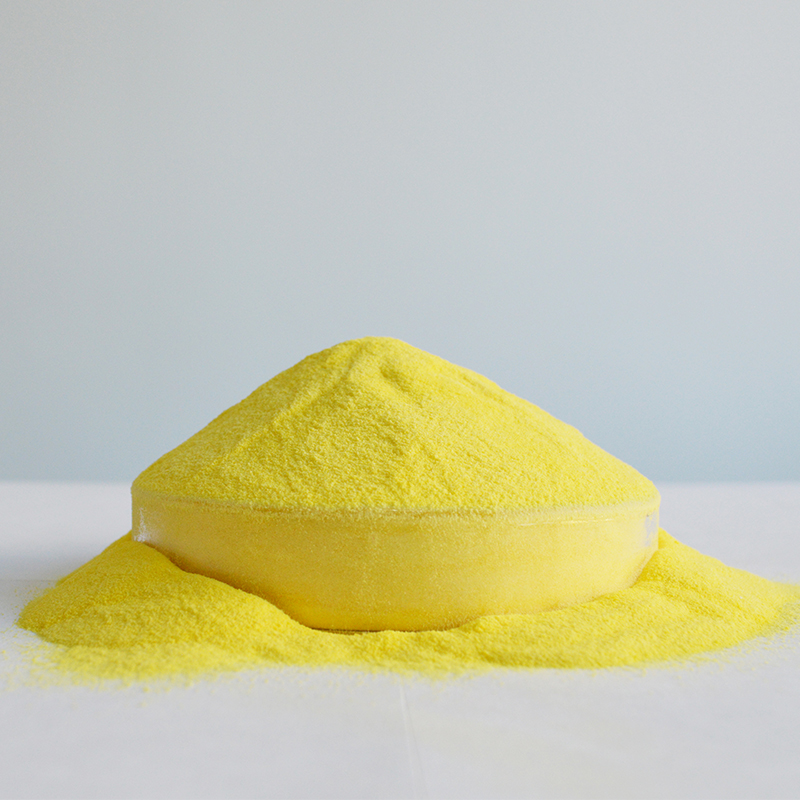
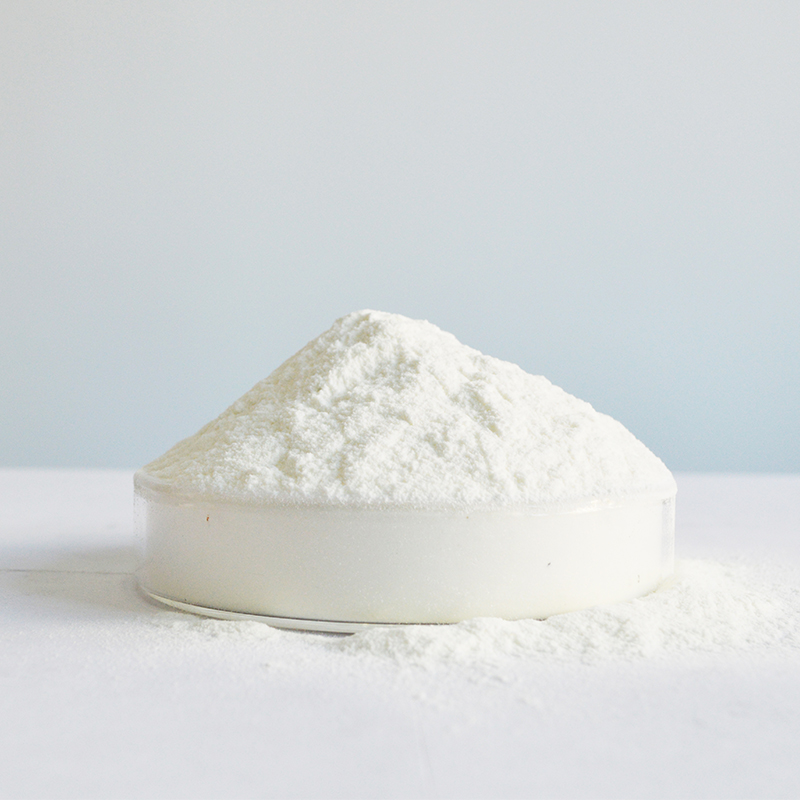
 Industrial-grade tetrasodium pyrophosphate — illustrative product image, not a documented test.
Tetrasodium pyrophosphate, abbreviated TSPP, is one such material. The industrial-grade anhydrous product discussed here has CAS number 7722-88-5. This article concerns industrial formulation evaluation; it does not establish suitability for food-contact, drinking-water or other regulated uses.
TSPP can act as a sequestrant: it can associate with hardness ions such as calcium and magnesium in solution. The practical result depends on the complete formulation, the available ions, pH, temperature and process time. In some cleaning systems, phosphate builders also contribute other formulation functions; those functions should be assessed in the finished product rather than assumed from the raw material alone.
An environmental engineering review from the US EPA describes TSPP as a water-softening ingredient in industrial alkaline cleaners. That discussion provides application context, not a guarantee for every formulation or material surface.
TSPP is tetrasodium pyrophosphate. TSP commonly means trisodium phosphate; SAPP means sodium acid pyrophosphate. They are different materials and should not be substituted solely because their names contain “sodium phosphate.” Confirm the full chemical name, CAS number, form and technical documentation with the supplier.
If a purchase order specifies a hydrated material, do not assume that it is equivalent to an anhydrous product on a bag-for-bag basis. Establish the correct identity and calculation basis before evaluating a substitute.
Record the water source and the hardness test method and unit. Hardness is commonly reported as milligrams per litre as CaCO₃; that is an equivalent reporting basis, not a measurement of calcium carbonate particles in the water. When comparing trials, keep the reporting basis consistent and identify whether the water or formulation changed. See the USGS explanation of water hardness.
| Check | Why it matters |
|---|---|
| Water source and hardness | Calcium and magnesium levels can affect the amount of hardness-control ingredient needed. |
| Other ingredients | Surfactants, alkalinity sources and other builders interact as a complete formulation. |
| Solution conditions | pH, temperature, mixing and time influence the behaviour of the ingredients. |
| Equipment and surfaces | A cleaning solution that works on one material may not be suitable for another. |
| Trial method | Consistent water, soil, application and observation methods make comparisons more meaningful. |
| Product identity | Check the grade, CAS, form, specification and applicable documentation. |
1. Define the cleaning objective and the materials to be cleaned.
2. Record the existing formulation and water conditions before changing the builder.
3. Prepare a small representative trial under the site's safety procedures and compare it with the current formulation using the same test method.
4. Observe cleaning performance, residues and surface compatibility; document the conditions and any changes in appearance.
5. Verify the candidate in the actual process before making a purchasing or formulation decision.
There is no universal TSPP dose or direct replacement ratio. Any change must be reviewed against the formulation, operating conditions and the applicable product SDS and technical documentation. Local discharge requirements also need to be considered when phosphates enter wastewater.
Share the intended industrial application, required form and grade, expected order quantity, destination and documentation needs. If available, include the water source, hardness range and relevant process constraints. This helps the supplier identify the correct product and the information needed for a representative trial.
Related pages: Industrial TSPP product · TSPP vs SAPP identity guide · Contact Tairan
References: US EPA coil-coating industry development document, 1982; ICL industrial phosphate applications. These do not establish Tairan product-specific claims or imply current demand.