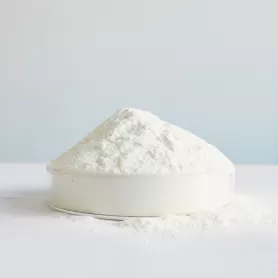
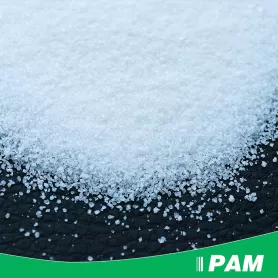
A bag of polyacrylamide can look intact on arrival but be difficult to use later if moisture reaches the powder. Dry polymer that has caked may not flow or disperse as expected during solution preparation. The appearance of a lump, however, does not by itself establish why it formed or whether the entire batch is unusable.
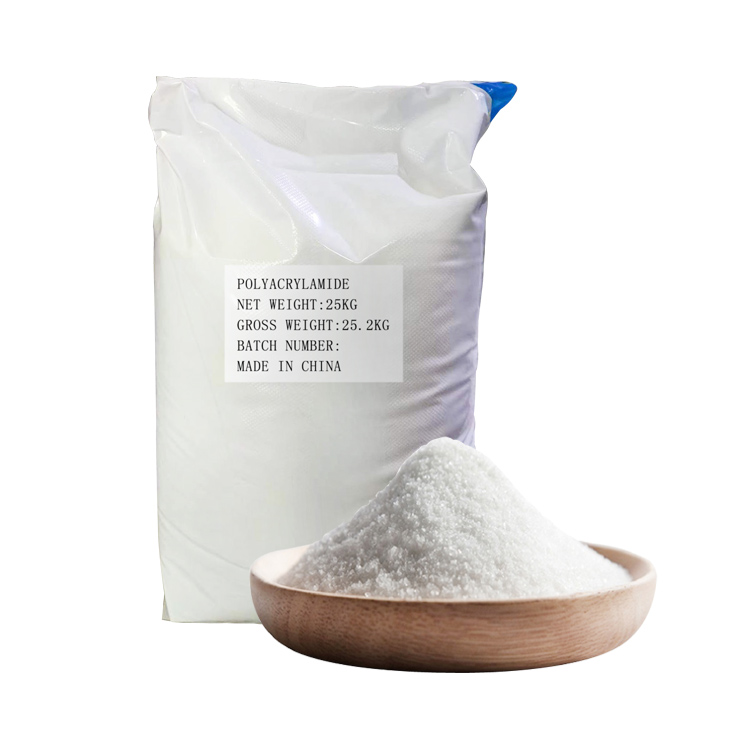
This guide covers dry PAM powder used in industrial processes. Follow the current safety data sheet (SDS), product instructions and site procedures for the exact grade. Storage requirements for emulsions and prepared solutions are different and are outside the scope of this article.
Before moving bags into storage, check that the product name and grade match the order. Record the batch identifier and delivery date, and retain the documents supplied with the shipment. Look for damaged seams, tears, wet patches or signs that powder has escaped.
If a bag appears wet or damaged, identify it and follow your receiving procedure before placing it with undamaged stock. Photographs and a note of where the damage was found can help the supplier and site team understand what happened. Do not mix material from a suspect bag with other batches while its condition is being assessed.
Keep dry PAM in its original, closed packaging in a sheltered area protected from moisture and contamination. Avoid placing bags where water from cleaning, leaks or condensation can reach them. Use suitable storage supports and follow the site's stacking instructions so that packaging is not damaged during handling.
The acceptable temperature range, storage period and packaging arrangements depend on the product. Check the documentation for the grade supplied rather than applying a generic shelf life to every PAM powder. The Veolia water-treatment handbook notes that dry polymers can cake in high humidity and that opened containers should be sealed before being returned to storage.
Keep the product identity and batch label with the remaining powder. Use clean, dry tools, minimise exposure to humid air and close the package securely after use. If site procedures allow a secondary container, make sure it is suitable, clean, dry and labelled so the material remains identifiable.
Record when the bag was opened and use stock in the order required by your inventory procedure and the applicable supplier instructions. A first-in, first-out system is useful only if the product remains within its documented storage conditions and the bag can still be identified.
Set the affected bag aside and record the product, batch, package condition and any known exposure to water or humidity. Contact the supplier with those details and ask what checks or sampling procedure are appropriate for the grade. Follow site safety procedures; do not assume that breaking up a lump restores the original condition or that appearance alone proves the material has failed.
On a small screen, swipe sideways to see the full table →
| Observation | Useful information to record | Next step |
|---|---|---|
| Torn or damp packaging | Batch, location and extent of visible damage | Isolate the bag and consult receiving procedures. |
| Powder no longer flows freely | Whether the clumping is localised or widespread, and the storage history if known | Ask the supplier about assessment for that grade. |
| Unexpected residue or uneven preparation | Bag identity, preparation equipment and observed conditions | Check both the material and the preparation process. |
These observations support investigation; none alone establishes product quality or treatment performance. A representative assessment should follow the applicable supplier and site procedures.
On the outside of the bag: Keep the affected package separate and record the damage. A damp exterior is a reason to investigate, not proof that the powder inside has failed.
In the dry powder: Keep the bag and batch identifiable. Record what you can observe without spreading dust, then ask the supplier how to assess the material safely.
Only after powder enters the tank: Check how the powder is fed and wetted as well as the condition of the bag. A lump in the tank alone does not establish a storage failure.
Caking describes powder sticking together before use. A fish eye is a hydrated outer layer around dry or incompletely wetted material during preparation. The two can be related, but a fish eye can also arise from how dry particles enter and contact water.
If lumps appear in the preparation tank, review the feed and wetting process as well as the condition of the bag. See polyacrylamide fish-eye troubleshooting for preparation-focused checks.
Avoid creating dust when moving or opening bags. Use the protective equipment and spill response specified in the SDS and your site's procedures. Wet polymer can make surfaces slippery, so keep people away from a spill until it has been dealt with under those procedures. Do not choose a cleanup or disposal method from a generic article when the product documents or local requirements specify otherwise.
Provide the grade, batch identifier, delivery and opening dates if known, packaging condition, storage conditions and a description of the problem. If preparation or treatment performance is also in question, record the equipment, preparation method and representative test conditions. This information helps distinguish a storage concern from a preparation or process issue.
For product selection, explore Tairan polyacrylamide products or contact Tairan with your industrial application and documentation needs.