News
Home / News / What is PolyDADMAC used for?

What is PolyDADMAC used for?

Sep. 03, 2025

If you work in water treatment, paper manufacturing, or industrial processing, you've likely encountered PolyDADMAC. But what exactly is this chemical, and why has it become so essential across multiple industries?


Understanding PolyDADMAC: The Basics

PolyDADMAC, short for poly(diallyldimethylammonium chloride), is a synthetic polymer that has revolutionized water treatment and industrial processes. At its core, it's derived from diallyldimethylammonium chloride (DADMAC), a monomer that polymerizes to create this highly effective chemical.

What makes PolyDADMAC special is its strong positive charge. This cationic (positively charged) nature allows it to neutralize negatively charged particles in water and other solutions, making it an indispensable tool for clarification and purification.


How PolyDADMAC Works

The magic of PolyDADMAC lies in its ability to interact with suspended particles. Most contaminants in water—such as dirt, organic matter, bacteria, and colloidal particles—carry negative charges. PolyDADMAC's positive charge attracts these particles like a magnet, causing them to clump together through a process called coagulating and flocculating.

Two key properties determine PolyDADMAC's effectiveness:

●     Charge density: This measures how many positive charges exist per unit of the polymer. Higher charge density means stronger attraction to negative particles.

●     Molecular weight: Larger molecules create bigger, faster-settling flocs, while smaller molecules penetrate spaces more easily.


Primary Uses of PolyDADMAC


1. Water Treatment

PolyDADMAC is a workhorse in municipal and industrial water treatment facilities. It removes:

●     Suspended solids

●     Turbidity (cloudiness)

●     Organic contaminants

●     Color compounds

●     Bacteria and viruses

The polymer works by destabilizing particles, allowing them to aggregate into larger clumps that settle out or can be filtered away.


2. Wastewater Treatment

In wastewater applications, PolyDADMAC helps separate solid waste from water before discharge. It's particularly effective in treating:

●     Municipal sewage

●     Industrial effluents

●     Mining wastewater

●     Food processing waste


3. Paper and Pulp Industry

Paper manufacturers use PolyDADMAC as a retention aid, helping fibers, fillers, and additives stay in the paper sheet rather than washing away. This improves paper quality while reducing waste and costs.


4. Textile and Dyeing Industries

The textile sector employs PolyDADMAC to remove dyes and color from wastewater, ensuring cleaner discharge and compliance with environmental regulations.


5. Oil and Gas Production

In petroleum operations, PolyDADMAC helps separate oil from water, treats drilling mud, and assists in enhanced oil recovery processes.


PolyDADMAC vs. Other Coagulants

While traditional coagulants like ammonium chloride and aluminum sulfate (alum) have their place, PolyDADMAC offers distinct advantages:

●     More effective at lower doses: You need less chemical to achieve the same results

●     Works across wider pH ranges: Effective in both acidic and alkaline conditions

●     Produces less sludge: Smaller volumes of waste to dispose of

●     Faster action: Rapid flocculation saves processing time

However, ammonium chloride remains useful for specific pH adjustment needs and as a coagulant aid in combination with polymers.


Selecting the Right PolyDADMAC

Not all PolyDADMAC products are identical. When choosing a formulation, consider:

1. Charge density requirements: Match the charge density to your specific contaminants

2. Molecular weight: Higher for faster settling, lower for better penetration

3. Concentration: Available in various strengths from 20% to 60%

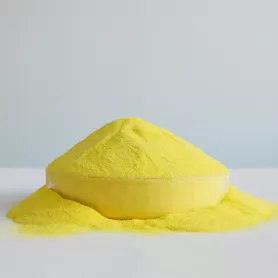
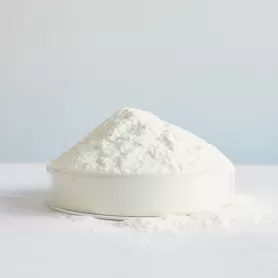
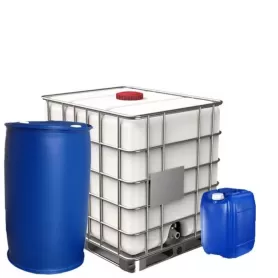
4. Application method: Liquid vs. powder forms


Safety and Handling

While PolyDADMAC is generally safe, proper handling is essential:

●     Wear protective equipment (gloves, goggles)

●     Avoid direct skin and eye contact

●     Store in cool, dry areas away from incompatible chemicals

●     Follow manufacturer's safety data sheets (SDS)


Environmental Considerations

PolyDADMAC is biodegradable under certain conditions and doesn't bioaccumulate. However, proper dosing is crucial—overdosing can actually reduce treatment effectiveness and increase costs.


The Future of PolyDADMAC

As environmental regulations tighten and industries seek more sustainable practices, PolyDADMAC continues to evolve. Researchers are developing:

●     Modified formulations with enhanced biodegradability

●     Hybrid polymers for specific applications

●     Lower-energy production methods


Conclusion

PolyDADMAC has earned its place as a essential chemical in water treatment and industrial processing. Its ability to neutralize negatively charged particles through efficient coagulating and flocculating makes it invaluable for producing clean water, reducing waste, and improving product quality.

Whether you're treating drinking water, processing wastewater, or manufacturing paper, understanding PolyDADMAC's properties—from charge density to molecular weight—helps you optimize your processes and achieve better results.


Hot Products

WeChat
WeChat