PAC vs Alum in Water Treatment · Selection guide
Polyaluminum chloride (PAC) and aluminum sulfate (alum) are aluminum-based coagulants that may be evaluated in drinking-water, wastewater, and other treatment processes. The right choice depends on raw-water chemistry, product grade, treatment objective, equipment, and operating controls.
There is no universal winner. A fair comparison should use representative water, the same treatment objective, documented product information, and jar-test or pilot results. This guide provides a decision framework without assigning fixed dosage, cost, residual, or compliance results to every plant.
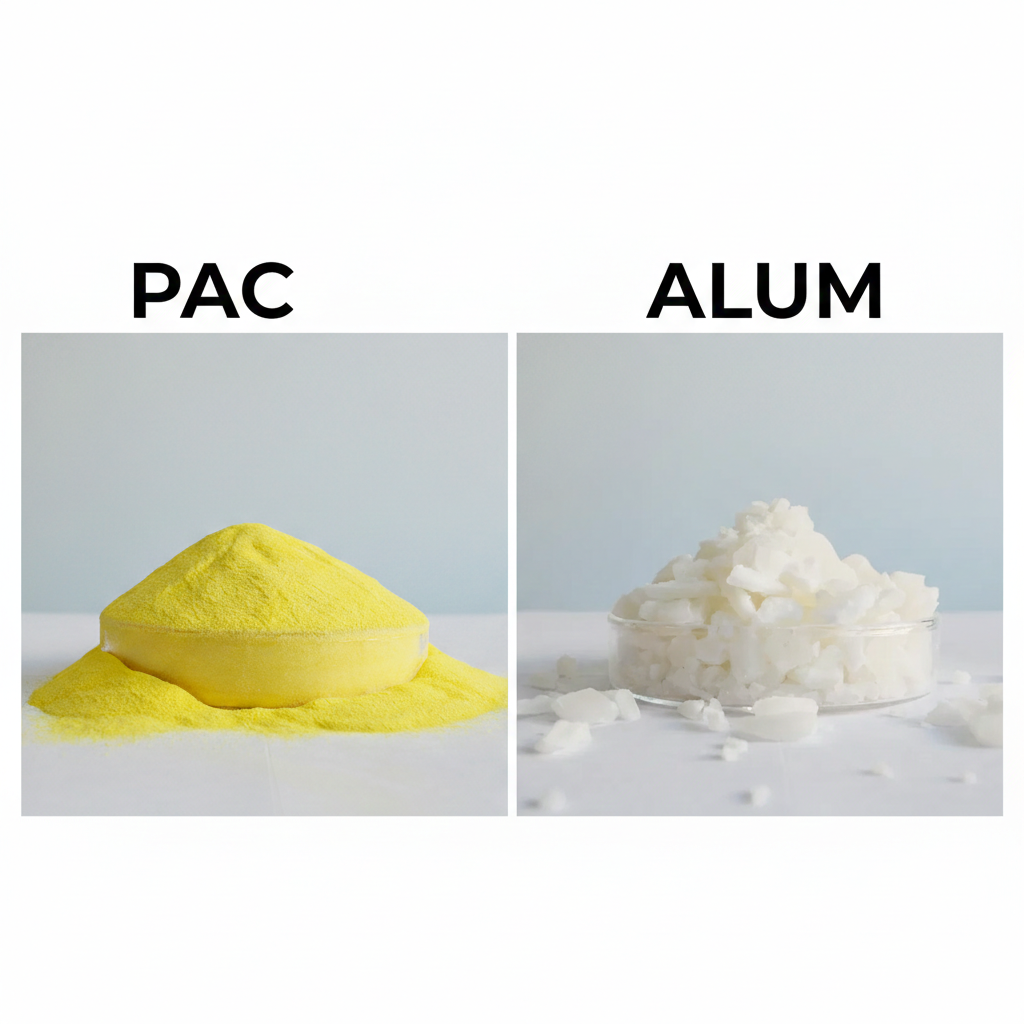
| Factor | PAC | Alum | What to verify |
|---|---|---|---|
| Product chemistry | Aluminum-based chloride product; formulation and basicity vary. | Aluminum sulfate product; grade and form vary. | Exact product, grade, active basis, and latest COA. |
| Process response | Evaluate charge neutralization, floc formation, mixing, and settling in actual water. | Evaluate the same response under the same objective and test conditions. | Jar-test observations and measurements. |
| pH and alkalinity | Measure changes for the selected grade and water. | Measure changes for the selected grade and water. | Raw-water alkalinity and adjustment needs. |
| Sludge | Measure settled volume, separation, dewatering, and handling. | Measure settled volume, separation, dewatering, and handling. | Quantity, moisture, handling, and disposal route. |
| Total cost | Calculate chemical, pH, sludge, storage, and dosing costs together. | Calculate the same cost categories on the same treated-volume basis. | Cost per treated volume, not bag price alone. |
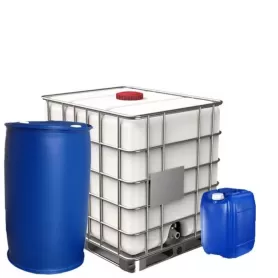
| Handling | Follow grade-specific SDS, TDS, label, storage, and equipment guidance. | Follow grade-specific SDS, TDS, label, storage, and equipment guidance. | Storage, handling, PPE, and compatibility. |
Both products require a controlled comparison. Product name alone does not establish the best result for a particular water source or treatment train.
Define the treatment objective and acceptance criteria before testing.
Use representative raw water and record source variation.
Keep mixing, settling, sampling, and measurement procedures consistent.
Compare the same product grade and the same cost and operating basis.
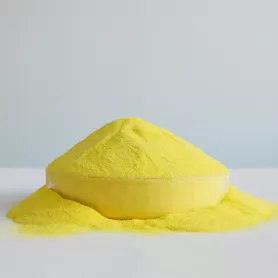
PAC is an aluminum-based coagulant family whose formulation, basicity, concentration, and physical form can vary by product. Review product documents and test the selected grade under the intended process conditions. See the PAC product range for product-specific information.
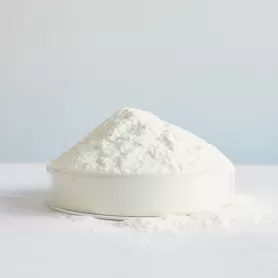
Alum is an aluminum sulfate coagulant available in different grades and physical forms. Selection should be based on product documents, water chemistry, process equipment, and controlled test results. See the aluminum sulfate product page for product-specific information.
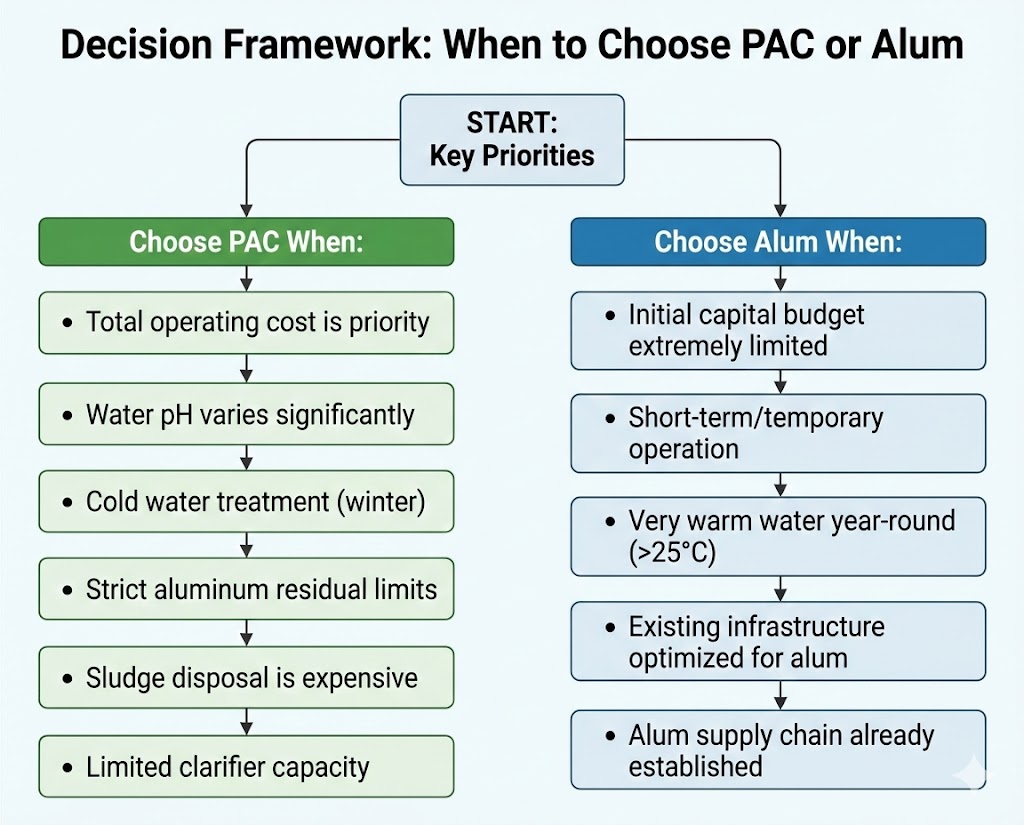
PAC may be evaluated when the treatment team needs to compare an aluminum-based chloride product with the current coagulant, has suitable product documents, and can measure process and total-cost implications.
Alum may be evaluated when the existing process and supply arrangement fit the treatment objective, and the selected grade can be tested and documented under current operating conditions.
In either case, the decision should be based on representative water, controlled testing, operating constraints, safety requirements, and supply continuity.
Define the objective. Record the water source, treatment target, process limits, and acceptance criteria.
Collect representative water. Record source, date, pH, alkalinity, turbidity, temperature, and relevant measurements.
Verify product documents. Check the current TDS, SDS, COA, grade, form, storage, and handling requirements.
Run a controlled comparison. Keep mixing, settling, sampling, and measurement procedures consistent.
Compare the result. Review water quality, floc behavior, sludge handling, pH impact, equipment fit, and total operating cost.
Confirm before changeover. Use a monitored trial or pilot where appropriate, with responsible technical review.
Current TDS, SDS, COA, product grade, physical form, and active-composition basis.
Storage, packaging, shelf-life, handling, and equipment-compatibility guidance.
Representative test records, sampling conditions, measurement methods, and operating assumptions.
Applicable regulatory or customer requirements, verified by the responsible local team for the intended use.
Do not transfer a dose from one product to another without testing. Product grade, water chemistry, process conditions, and measurement method can change the result.
Compare chemical use, pH adjustment, sludge handling, storage, dosing, maintenance, and disposal on a consistent treated-volume basis.
Percent savings, residual levels, treatment times, compliance outcomes, and payback periods are not transferable without records from a comparable process.
Do not assume that it can. Run a controlled jar test with the actual products and representative water, then confirm the process response.
It depends on product grade, purchase terms, process response, pH needs, sludge handling, storage, and other operating costs. Compare total cost after testing.
No universal result applies to every plant. Residuals depend on product, water, process control, sampling, and analytical method, so measure the actual process.
There is no generic rule for every installation. Mixing requires process design, compatibility review, controlled testing, safety review, and responsible approval.
Use representative water, current product documents, jar or pilot results, safety and equipment review, supply continuity, and total cost together.
For a product-specific PAC versus alum comparison, share the water source, treatment objective, current product, physical form, process limits, and available test data. Tairan can then help identify the product information and test inputs needed for a responsible evaluation.