PAM for Textile Wastewater Treatment: Practical Selection Guide
Textile wastewater can vary with fiber, dye, auxiliaries, washing, sizing, bleaching, printing, production schedule, and water reuse requirements. Polyacrylamide (PAM) may support solid-liquid separation and flocculation, but the suitable product form, charge type, molecular characteristics, and operating conditions must be confirmed with representative water and product documents.
This guide focuses on responsible evaluation. It does not promise a universal color-removal rate, COD result, dosage, cost saving, discharge outcome, or reuse result for every textile plant.
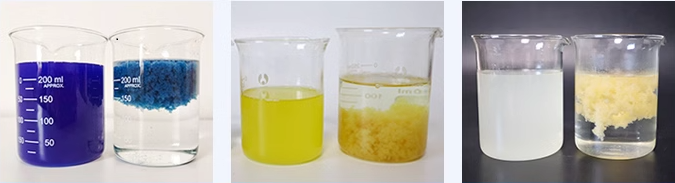
Two textile processes can produce very different wastewater. Dye class, suspended solids, surfactants, salts, pH, temperature, biological load, and upstream treatment all affect floc formation and separation. A PAM selected from a general application label should therefore be treated as a starting hypothesis, not as a guaranteed solution.
Map the process steps and identify the wastewater source.
Record representative water quality and production variation.
Define whether the immediate objective is solids separation, clarification, sludge dewatering, color reduction support, or another step.
Set measurable acceptance criteria before comparing products.
These streams may contain dyes, salts, surfactants, auxiliaries, and suspended matter. Confirm the actual composition and test whether coagulation and flocculation support the selected separation step.
These streams can contain sizing agents, oils, detergents, oxidants, or fibers. Review compatibility with the upstream and downstream process before selecting a polymer.
Printing pastes, pigments, binders, and finishing chemicals can change particle behavior and sludge characteristics. Test the process water that the polymer will actually receive.
PAM is commonly evaluated as a flocculant or separation aid. Its role is process-specific: it may help particles form larger agglomerates for settling, flotation, filtration, or sludge dewatering when the water chemistry and operating conditions are suitable.
PAM does not replace every upstream treatment step, and it should not be described as a standalone solution for all dyes, COD, salts, or dissolved contaminants. The process team should identify which part of the treatment train the polymer is intended to support.
Anionic, cationic, and nonionic PAM products can behave differently in different waters. Select the candidate from water chemistry, solids characteristics, upstream coagulant use, and the target separation step rather than from dye color alone.
Molecular weight, charge density, hydrolysis, physical form, and residual monomer or impurity requirements are product-specific fields. Compare the current TDS and COA for the exact candidate.
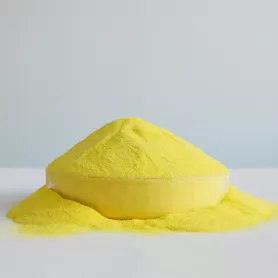
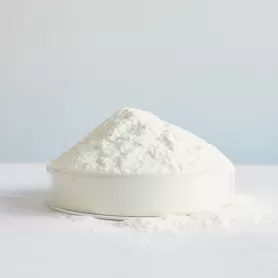
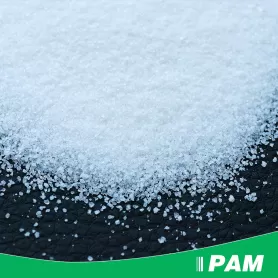
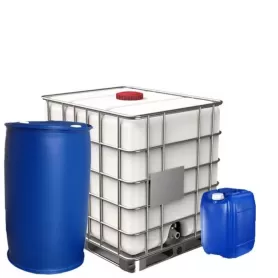
Powder and emulsion or liquid products have different preparation, storage, feeding, and equipment requirements. Follow the product TDS and SDS for the selected form. See the PAM product range and the CPAM product page for product-specific information.
A polymer used after coagulation may require different selection and preparation from a polymer used for sludge dewatering. Record the dosing point, mixing conditions, residence time, separation equipment, and sludge route.
Map the process. Identify equalization, pH control, coagulation, flocculation, clarification, flotation, biological treatment, filtration, reuse, and sludge handling steps as applicable.
Define the polymer role. State whether PAM is being evaluated for clarification, solids separation, sludge dewatering, or another defined purpose.
Check upstream chemistry. Record coagulants, oxidants, surfactants, salts, pH adjustments, and any chemicals that may affect polymer behavior.
Confirm equipment limits. Review preparation tank, mixer, pump, injection point, shear exposure, and material compatibility.
Run controlled testing. Use representative water and compare candidate products with the same observation and measurement method.
Confirm at operating scale. Use a monitored trial or pilot when appropriate and record any change in water quality, sludge handling, or equipment operation.
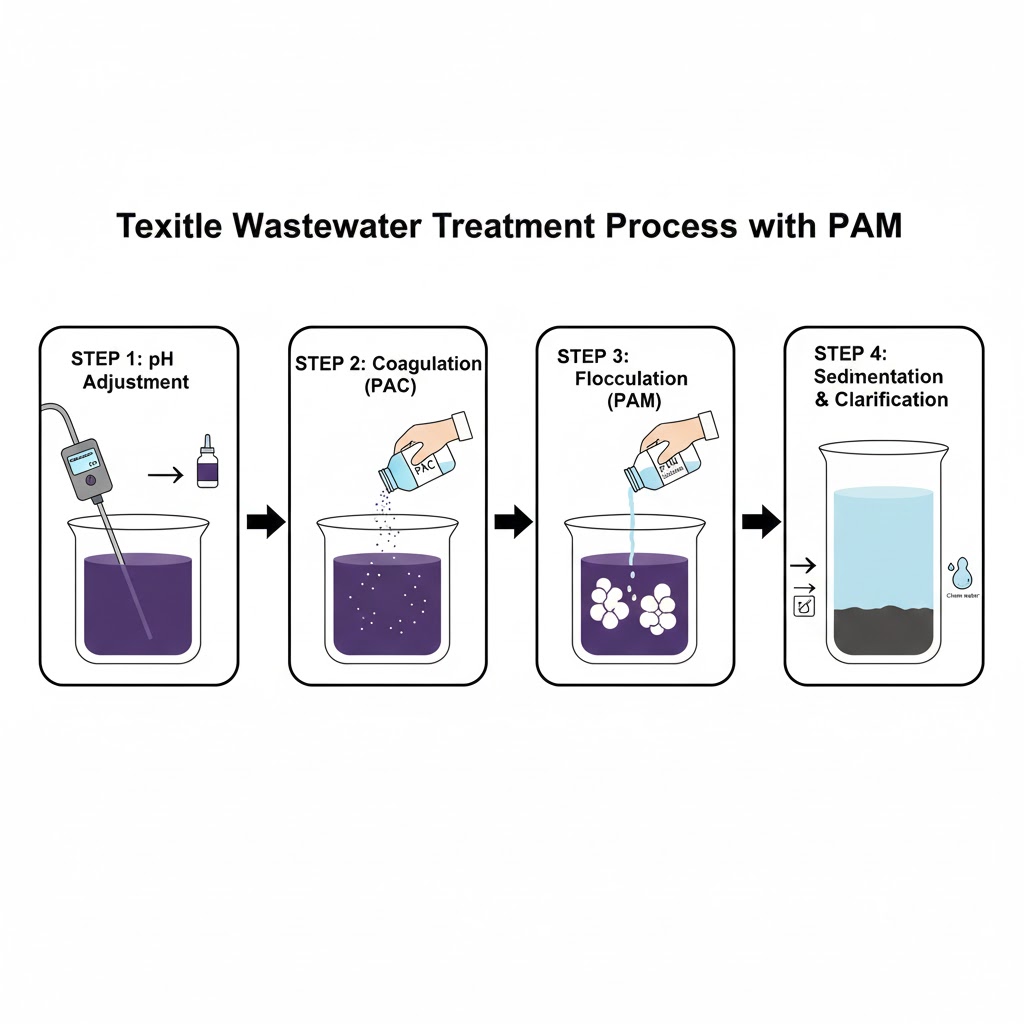
Use representative samples, consistent mixing and settling procedures, and documented acceptance criteria. Observe floc formation, settling or flotation, treated-water measurements, and the sensitivity of the result to process conditions.
Evaluate filterability, cake or centrate observations, solids capture, equipment behavior, and handling requirements with the actual sludge. Do not transfer a clarification result directly to sludge dewatering.
Sample source, process step, collection date, and relevant water measurements.
Product name, form, grade, lot, TDS, SDS, COA, and preparation record.
Mixing sequence, dosing method, observation period, separation equipment, and measurement method.
Water-quality results, sludge observations, operator notes, and any process limitations.
Compare more than polymer purchase price. Review product usage, preparation water, storage, dosing equipment, energy, pH adjustment, sludge volume and handling, disposal, labor, maintenance, testing, and any process downtime. Use the same treated-volume or sludge-solids basis for both candidates.
Follow the current SDS and TDS for the exact PAM product and physical form.
Keep powder dry and control dust during opening, transfer, and preparation.
Protect liquid or emulsion products from unsuitable storage conditions identified by the supplier.
Use compatible tanks, pumps, hoses, seals, and feeding equipment.
Label each container or prepared batch with product identity, lot, date, and preparation information.
Keep incompatible chemicals separate and follow the site spill and first-aid procedure.
Choosing a polymer from dye color without testing the actual wastewater.
Assuming an anionic or cationic label applies to every textile process.
Copying a dose or preparation method from another plant or product grade.
Evaluating only treated-water appearance and ignoring sludge or equipment behavior.
Claiming a fixed color, COD, cost, discharge, or reuse result without comparable records.
Changing coagulant and PAM at the same time without a controlled comparison.
Using an old TDS, SDS, or COA after the product grade or supplier changes.
Current TDS, SDS, COA, product grade, physical form, charge information, and relevant specification basis.
Preparation, storage, feeding, equipment compatibility, and safety guidance.
Representative test records with water source, process conditions, measurement method, and acceptance criteria.
Customer, local, or discharge requirements verified by the responsible project team.
Supply continuity, packaging, batch consistency, lead time, and technical support details.
There is no universal answer. Compare suitable anionic, cationic, or nonionic candidates using representative wastewater, current product documents, and the defined separation objective.
PAM is generally evaluated for flocculation or separation support. Color behavior depends on the dye, water chemistry, coagulant, process train, and test conditions; measure the actual result.
No. Process water, product grade, preparation, mixing, separation equipment, and acceptance criteria differ. Use controlled testing and review changes in production or water quality.
The sequence depends on process design and compatibility. If PAC and PAM are used together, define the dosing points and mixing steps, then confirm the sequence through controlled testing and responsible technical review.
Start with water and sludge characteristics, upstream chemistry, separation equipment, and product documents. Compare candidate polymers under the actual process objective rather than selecting by charge name alone.
For a product-specific review, provide the wastewater source, process steps, treatment objective, current chemicals, equipment, representative test data, and current PAM documents. Tairan can help organize the comparison inputs and identify the next technical verification step.