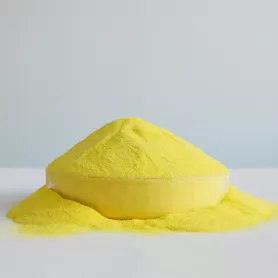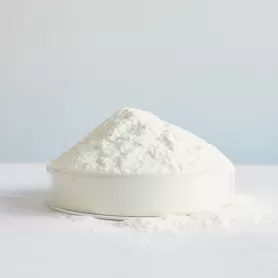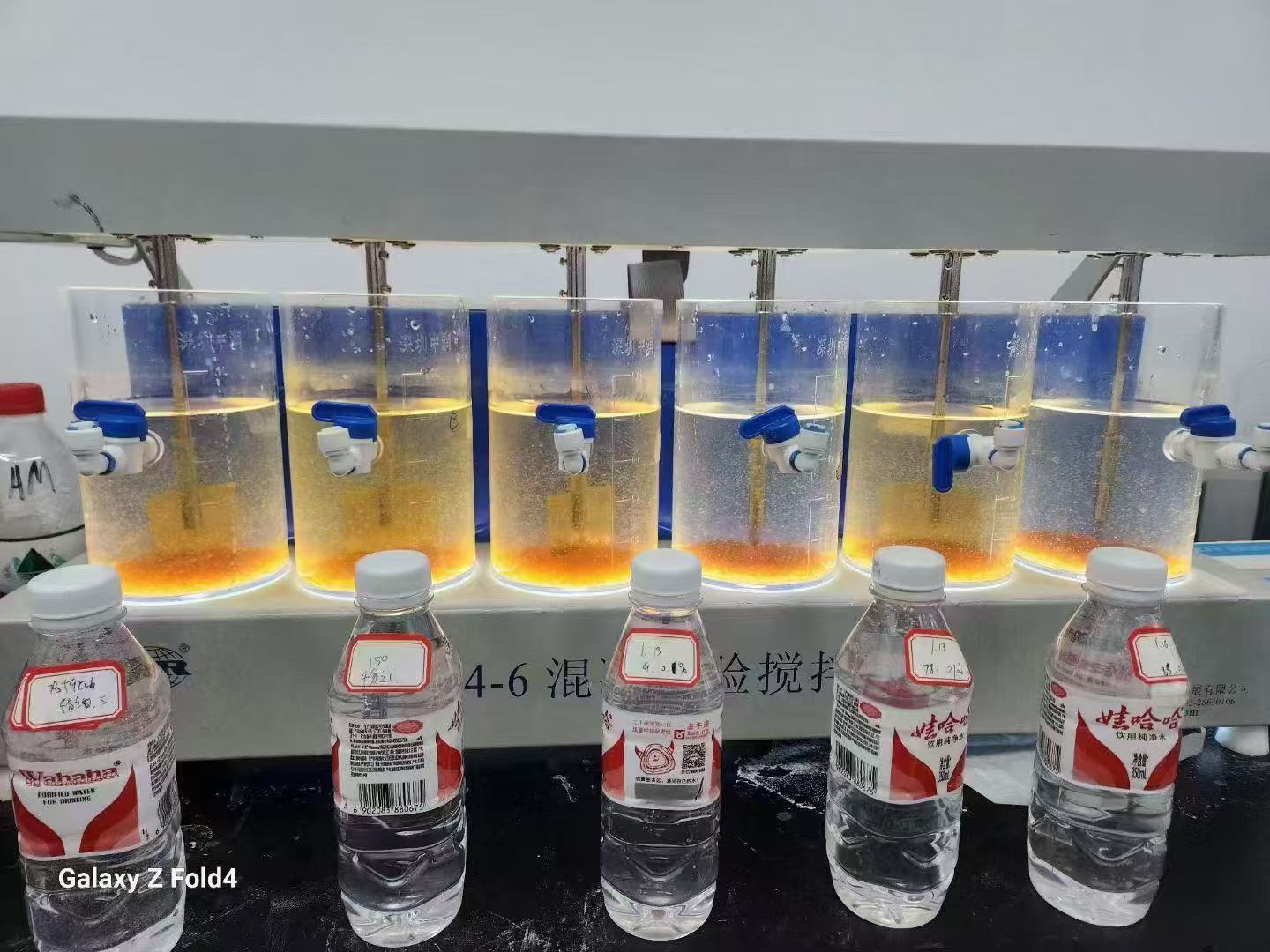
Water treatment relies on chemical flocculants to aggregate and remove suspended solids and impurities. These flocculant polymers, whether organic or inorganic, play a vital role in municipal and industrial water purification systems. By binding fine particles into larger flocs, they make sedimentation and filtration more efficient. For example, treatment plants often add coagulants and flocculant polymers during coagulation and flocculation steps to clarify water and reduce turbidity. Choosing the right polymer or coagulant can dramatically improve water quality and process efficiency.
Chemical flocculants are substances—often high-molecular-weight polymers—added to water to bind fine suspended solids into larger aggregates called flocs. In a typical treatment process, coagulation is followed by flocculation, during which gentle mixing and added polymers for water treatment cause particles to collide and stick together. As the CDC notes, water utilities generally use steps including coagulation and flocculation to remove dirt and colloidal particles. The resulting flocs are heavier and settle more rapidly during sedimentation. Flocculant polymers improve this natural settling, enhancing clarity and reducing treatment time. In practice, coagulants (often inorganic salts) neutralize particle charges, then high-charge polymer flocculants build bridges between particles, forming dense flocs:contentReference. Effective flocculation is critical for meeting drinking water standards and wastewater discharge limits.
Polyacrylamide (PAM) is a versatile flocculant polymer widely used in water treatment. PAM is a water-soluble synthetic polymer that comes in anionic, cationic, and nonionic forms, each tailored for specific needs. In wastewater systems, PAM promotes solid-liquid separation and sludge dewatering. For example, cationic polyacrylamide (CPAM) carries a positive charge that binds negatively charged particles (like clay and organic matter), forming strong flocs. Anionic PAM (APAM) is favored for turbidity and organic removal in municipal water, and nonionic PAM is used where pH stability is needed. In oil fields and mining, PAM also serves as a water absorption polymer, swelling to capture suspended fines and improve filtration. High-molecular-weight PAM can achieve exceptional flocculation efficiency, meaning very low doses (1–10 mg/L) can clarify water and reduce treatment costs.
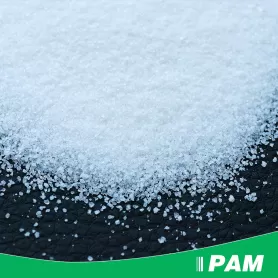
PAM products typically come as white powder, granules, or emulsion. They dissolve readily to form a viscous solution. Key advantages of PAM include its low toxicity and ease of use. Procurement managers should note that flocculant polyacrylamide meets strict standards for drinking water additives (e.g., NSF/ANSI Standard 60). The Tairan Chemical product page emphasizes that PAM “improves the separation of solids and liquids in both municipal and industrial wastewater treatment systems”, highlighting its broad utility. (See our Polyacrylamide (PAM) product page for technical data and ordering.)
PolyDADMAC is a high-charge cationic polymer flocculant commonly used in both industrial and municipal water treatment. Chemically, it is poly(diallyldimethylammonium chloride), a positively charged polymer that neutralizes negatively charged colloids. When added to water, PolyDADMAC rapidly aggregates particles and organic matter, forming dense flocs. The Tairan Chemical product page describes it as “a cationic polymer flocculant widely used as a high-efficiency coagulant in water treatment”. Its high charge density means very low dosages are needed – often in the single-digit ppm range – to clarify water and reduce turbidity. PolyDADMAC is effective in a wide pH range and remains stable in the presence of oxidants (e.g., chlorine).
Key features of PolyDADMAC include:
High Charge Density – Excellent at neutralizing colloidal charges, which enhances floc formation.
Rapid Flocculation – Forms large, filterable flocs quickly, improving water clarity and sedimentation.
Wide pH Range – Effective from acidic to near-neutral pH; resists hydrolysis.
Low Toxicity – Non-volatile and safe to handle, with stable, viscous-liquid formulations (10–50% solids).
In practice, PolyDADMAC is often used alone or together with inorganic coagulants. For example, pairing it with PAC can yield very fast sedimentation. The manufacturer notes that it can be “used alone or in combination with inorganic coagulants (e.g. Polyaluminium Chloride) to enhance performance”. In procurement terms, PolyDADMAC offers a cost-effective solution when strong coagulation is needed without large volume. (See our PolyDADMAC product page for specifications.)
Polyaluminium Chloride (PAC) is an advanced inorganic coagulant widely used for drinking water and industrial wastewater treatment. It is a polymeric form of aluminum chloride (often called PAC or BAC). In coagulation, PAC neutralizes suspended particles and promotes floc formation. The Tairan site describes PAC as “effective in removing suspended solids, organic matter, and heavy metals, improving water clarity and purification efficiency”. PAC is available in liquid and powder forms, with varying aluminum content (typically 28–30%).
Benefits of PAC include:
Strong Coagulation – Rapidly neutralizes charges on colloids, forming abundant flocs.
Broad Applications – Used in municipal sewage, drinking water, and diverse industries.
Cost-Effective – Often cheaper per dose than higher polymers when treating high-turbidity water.
Reduced Sludge Volume – Produces compact flocs that are easier to dewater compared to simple alum.
PAC is especially valuable when heavy metal removal is needed or when water pH is slightly alkaline. In municipal plants, PAC can reduce reliance on traditional coagulants. For more information and grades, see the Tairan product page: Polyaluminium Chloride (PAC). Its description notes that PAC “offers a cost-efficient solution” and ensures high water clarity with minimal chemical usage.
Polyferric Sulfate (PFS) is an inorganic coagulant/flocculant based on ferric (iron) salts. It is highly efficient for turbidity removal in both municipal and industrial wastewater. PFS acts similarly to PAC but often produces flocs with even faster settling. According to Tairan Chemical, PFS “removes turbidity, color, oil, algae, and heavy metals” and provides rapid sedimentation with “non-toxic” operation. It is supplied as a liquid, typically 10–20% solids, and is often used in industries with oily or organic-rich effluent.
Advantages of PFS include:
High Efficiency – Very effective at precipitating colloids, even at low temperatures.
Wide pH Range – Performs in acidic to neutral pH; less sensitive to alkalinity than alum.
Environmental Profile – Ferric sludge is often considered safer for disposal (less pH adjustment needed).
Versatile – Can be used for drinking water and challenging industrial streams (e.g. oil refinery wastewater).
For procurement, PFS is a good option when aluminum residues must be minimized or when treating color/algae issues. See the product page Polyferric Sulfate for technical details. In summary, it is “a highly efficient inorganic flocculant used for water purification” that yields clear effluent quickly.
Choosing the optimal flocculant depends on water characteristics and treatment goals. Procurement managers should consider:
Water Quality: High-turbidity water may need strong coagulants like PAC or PFS, possibly followed by a polymer like PAM to polish clarity. Soft or low-turbidity water often responds well to high-charge polymers (PAM or PolyDADMAC) at low dose.
Flocculation Strategy: Combined systems often perform best. For example, adding PAC coagulant first (to neutralize charge) followed by a polymer flocculant (PAM or PolyDADMAC) can maximize removal. Tairan notes that combining PolyDADMAC with PAC “enhances performance and reduces costs”.
Dosage and Yield: Consider dosage per volume and resulting sludge. Polymer flocculants typically work at mg/L levels, whereas inorganic coagulants are often in tens of mg/L. Less chemical use can lower transportation and disposal costs.
Compatibility: Ensure the selected flocculant works at the plant’s pH and with existing pre-treatment (e.g., chlorination). Some polymers are inhibited by high salinity or extreme pH.
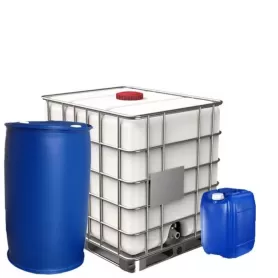
Supply Format: Flocculants come as powders, granules, or liquids. Solid polymers (PAM) require onsite mixing equipment, while liquid forms (PolyDADMAC, PFS) need storage tanks. Procurement should account for handling equipment and safety.
By matching flocculant properties to application needs, plants achieve faster sedimentation, higher clarity, and lower overall cost. For instance, PAC/PAM or PAC/PolyDADMAC combination systems can outperform single-chemical treatment in many cases. Ultimately, pilot testing under site-specific conditions is recommended before large-scale procurement.
For procurement professionals, key factors when acquiring flocculants include:
Quality and Specifications: Verify that products meet international standards (e.g. NSF/ANSI 60 for drinking water chemicals). Check the active content and impurity limits. Reputable suppliers (like Tairan) provide Certificates of Analysis and SDS documents.
Supplier Reliability: Global projects require uninterrupted supply. Prefer manufacturers with robust logistics, multiple production lines, and local warehouses. Scalability of production (especially for PAM and PAC) can ensure large orders are filled on time.
Cost Efficiency: Assess total cost of treatment, not just chemical price. More efficient flocculants (with higher removal per dose) can reduce transport and handling expenses. Bulk buying often reduces unit price, but account for storage limits and shelf life.
Formulation and Concentration: Higher-solid or higher-concentration formulations reduce shipping weight and volume. For example, PAM emulsions or PolyDADMAC concentrates cut costs. Discuss with vendors potential custom strengths or blends.
Environmental and Safety Profiles: Look for “eco-friendly” formulations (e.g. formaldehyde-free PolyDADMAC). Lower-risk chemicals (non-flammable, low dust) improve onsite safety and handling. Check that effluent after treatment meets discharge criteria (using cleaner flocs can reduce need for pH adjustment).
Internal sourcing strategies should include long-term contracts and quality audits. It’s often useful to work directly with R&D or technical teams of suppliers like Tairan to tailor flocculant grades to the project’s needs. Including product page visits (like to our PAC and PFS pages) ensures that specifications align with requirements before finalizing purchase orders.
All flocculants for potable water must comply with strict regulations. In the US and EU, products are often certified under NSF/ANSI Standard 60 (Drinking Water Treatment Chemicals – Health Effects). This ensures monomer residuals (like acrylamide or epichlorohydrin in PAM) are below safe limits. The EPA documents that typical water-treatment polymers (anionic and nonionic PAM, polyDADMAC, etc.) have a maximum monomer dose of 1 mg/L, yielding<0.5 µg/L acrylamide in water. WHO guidelines similarly note that the main risk of acrylamide comes from PAM flocculants, and controlling polymer dose keeps residues negligible.
In practice, this means purchasing flocculants from suppliers who certify compliance with standards. For example, EPA requires written certification from manufacturers that monomer levels meet the National Primary Drinking Water Regulations (NPDWR). PolyDADMAC is not a carcinogen, but PAM products must still meet limits on residual acrylamide (usually ≤0.05%). Globally, procurement managers should verify that each shipment is accompanied by a Certificate of Compliance. Additionally, flocculant solutions must not introduce banned heavy metals; reputable manufacturers test for iron, aluminum, and other impurities.
Beyond drinking water, industrial wastewater regulations may mandate specific treatment residues. For instance, effluent reuse standards often require very low turbidity and color, which effective flocculation helps achieve. By citing guidance from agencies (EPA, WHO) and leveraging supplier transparency, water treatment projects can ensure chemical safety and avoid regulatory violations.
Chemical flocculants like PAM, PolyDADMAC, PAC, and PFS are essential tools for modern water purification. Each offers unique strengths: polymers (PAM, PolyDADMAC) provide high efficiency at low dose, while inorganic coagulants (PAC, PFS) handle large loads of particulates. For procurement managers, understanding these differences is key to specifying the right product mix. Linking our comprehensive product pages can guide selections, while industry guidance (CDC, WHO, EPA) underlines the importance of safe, compliant dosing. By optimizing flocculant choice and supplier partnerships, plants can maximize water clarity, minimize cost, and meet stringent global water quality standards.